
The Ultimate Guide to Corgi Puppies in South Africa
Part 2 – Corgi Health, Nutrition and Training in the South African Context

Welcome back to our comprehensive guide on Corgi puppies in South Africa. Having covered the basics of understanding Corgi breeds and bringing your puppy home in our previous article, it’s time to focus on maintaining your Corgi’s health and wellbeing in the unique South African environment.
South Africa’s diverse climate zones—from the humid coastal regions of KwaZulu-Natal to the dry Highveld—present specific challenges for Corgi owners. In this second installment, we’ll explore essential health considerations, nutrition guidelines tailored to locally available products, and effective training techniques that consider our unique South African context.
Whether you’re a new Corgi parent or looking to enhance the care of your existing companion, this guide provides locally relevant information to ensure your Corgi thrives in South African conditions. Let’s dive into the specifics of keeping your Corgi healthy, well-fed, and properly trained across South Africa’s diverse landscapes.
Maintaining your Corgi’s health requires understanding their breed-specific issues and how these interact with South Africa’s unique environmental factors.
Common Health Issues in Corgis
Be aware of these breed predispositions:
- Hip dysplasia (exacerbated by excess weight)
- Degenerative myelopathy (progressive spinal cord disease)
- Von Willebrand’s disease (blood clotting disorder)
- Progressive retinal atrophy
- Intervertebral disc disease (due to their long back structure)
Work with your breeder and veterinarian to understand which conditions your puppy might be at risk for and what screening has been done on the parents.
Vaccination Schedule Appropriate for South Africa
Standard vaccination protocol for South African Corgi puppies includes:
Core Vaccines

- Distemper
- Adenovirus (Hepatitis)
- Parvovirus
- Parainfluenza
- Rabies (legally required in South Africa)
Additional Recommended Vaccines
- Coronavirus
- Bordetella (kennel cough)
- Tick-borne diseases (particularly important in coastal areas)
Core Puppy Vaccination Schedule for Corgis in South Africa:
- 6 Weeks – 1st Combination Vaccine (6-in-1 / 5-in-1)
- Covers: Canine Distemper, Adenovirus (Hepatitis), Parvovirus, Parainfluenza, ± Leptospirosis
- Note: Some breeders may give the first dose at 4 weeks in high-risk environments (e.g., kennels with known outbreaks), but 6 weeks is the widely recommended start point.
- 9 Weeks – 2nd Combination Vaccine
- Booster of the same combination to build stronger immunity.
- 12 Weeks – 3rd Combination Vaccine + 1st Rabies Vaccine
- Rabies is required by law in South Africa, and the first dose must be administered between 12 and 16 weeks of age.
- The combination vaccine continues to reinforce protection.
- 16 Weeks – Final Combination Booster (if necessary) + 2nd Rabies Vaccine
- Not always required, but often recommended in certain regions or for breeds like Corgis, which may be more susceptible to Parvo in their early stages.
Booster Shots & Long-Term Schedule
1 Year Old
- First annual booster for both combination and rabies vaccines.
Every 1–3 Years Thereafter
- Rabies boosters: required every 3 years by law in South Africa.
- Combination vaccines: frequency depends on vet protocol—some do annual, others go triennial if titre testing is used.
Additional Notes
- Kennel Cough (Bordetella):Recommended if your Corgi will be socialising with other dogs at daycare, parks, or competitions.
- Deworming & Flea/Tick Control:Start from 2 weeks of age, then every 2 weeks until 12 weeks, then monthly.
- Consult your veterinarian for a prevention program tailored to your specific region within South Africa.
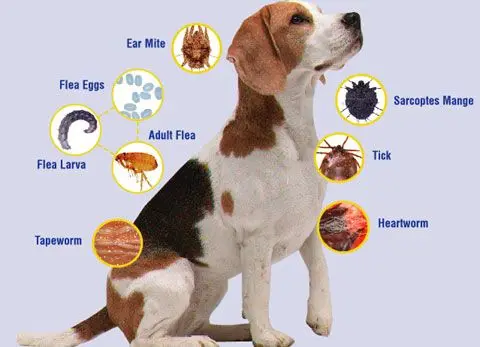
Parasite Prevention Specific to South African Climate
South Africa’s climate creates unique parasite challenges:
- Ticks: Year-round prevention necessary, particularly in coastal and bushveld regions
- Fleas: Most problematic during summer months but can persist year-round in warmer regions
- Heartworm: Less common than in other countries but still a concern in KwaZulu-Natal coastal areas
- Tapeworm and roundworm: Regular deworming every 3-6 months
- Biliary: Tick-borne disease particularly concerning in South Africa
- Consult your veterinarian for a prevention program tailored to your specific region within South Africa.
Finding a Corgi-Experienced Vet in Your Area
Not all veterinarians have extensive experience with Corgis. Look for:
- Vets who understand breed-specific issues
- Practices with orthopedic experience
- Clinics with diagnostic imaging capabilities
- Recommendations from local Corgi owner groups
Major veterinary hospitals with Corgi experience include:
- Onderstepoort Veterinary Academic Hospital (Pretoria)
- Cape Animal Medical Centre (Cape Town)
- Bryanston Veterinary Hospital (Johannesburg)
- Hillcrest Veterinary Hospital (Durban)
Pet Insurance Options in South Africa
Consider pet insurance to manage potential health costs:
- MediPet
- PawPaw
- OnePlan Pet Insurance
- Hollard Pet Insurance
Coverage levels vary, but most offer options that include:

- Accident coverage
- Illness coverage
- Some routine care benefits
- Third-party liability (important for active breeds like Corgis)
Monthly premiums typically range from R250 to R500 depending on coverage level, with age and pre-existing conditions affecting rates.
Nutrition and Feeding
Proper nutrition forms the foundation of your Corgi’s health and well-being, requiring special attention in the South African context where available brands and ingredients may differ from international recommendations.
Recommended Puppy Food Brands Available in South Africa
Premium Options
- Royal Canin (Breed-specific Corgi formula available in larger pet stores)
- Hill’s Science Diet (Widely available)
- Eukanuba (Good distribution in urban areas)
- Acana (Limited availability in specialized pet stores)
Quality South African Brands
- Montego (Excellent local option with good nutritional profiles)
- Ultra Dog (Widely available and reasonably priced)
- Promeal (Growing in popularity)
- Field + Forest (Newer premium local brand)
When selecting food, look for:
- Meat as the first ingredient
- No artificial preservatives or colors
- Appropriate calcium and phosphorus levels for proper bone development
- DHA for brain development
- Adequate protein levels (26-30% for puppies)
Feeding Schedule and Portions
Corgi puppies typically require:
- 2-4 months: Four meals daily
- 4-6 months: Three meals daily
- 6-12 months: Two meals daily
Portion guidelines (Corgi Puppies) (adjust based on activity level and growth):
- 8 weeks: 200-250g daily divided into 4 meals
- 12 weeks: 250-300g daily divided into 3-4 meals
- 4-6 months: 300-350g daily divided into 3 meals
- 6-12 months: 350-400g daily divided into 2 meals
Important: Monitor your puppy’s body condition closely. Corgis are prone to obesity, which can exacerbate their predisposition to back problems and joint issues.
Dietary Considerations for the South African Climate
- Increase water availability during hot summer months, particularly in inland areas
- Consider slightly reduced portions during extreme heat
- Ensure fresh water is always available (consider multiple water stations)
- During extreme Highveld dry periods, consider adding water to kibble for additional hydration
Local Alternatives and Supplements
Some South African Corgi owners supplement commercial diets with:
- Cold-pressed coconut oil (for coat health)
- Raw eggs from free-range sources (for protein and coat shine)
- Locally produced plain yogurt (for gut health)
- Rooibos tea ice cubes (as cooling treats during summer)
- Locally sourced raw honey (for allergies – small amounts only)
Before adding any supplements, consult with your veterinarian to ensure they’re appropriate for your puppy’s specific needs.
Training Your Corgi Puppy
Corgis are highly intelligent working dogs with strong herding instincts. Training is essential not just for basic obedience but to provide mental stimulation and prevent behavioral issues.
Basic Obedience Training Techniques
Start training immediately when you bring your puppy home:
- Use positive reinforcement methods (Corgis respond poorly to harsh corrections)
- Keep sessions short (5-10 minutes) but frequent
- Be consistent with commands and expectations
- Begin with basic commands: sit, stay, come, leave it
- Progress to more advanced training as your puppy matures
Focus areas specific to Corgis:
- Recall training (they can be independent-minded)
- Impulse control (important for a breed with strong herding instincts)
- Leash manners (preventing pulling, which is common in Corgis)

Socialization in the South African Context
Proper socialization is crucial and should include exposure to:
- Different people (varying ages, appearances, and ethnicities)
- Other animals (both dogs and non-threatening wildlife they might encounter)
- Environmental sounds (thunderstorms, which are common in summer months, fireworks during Diwali and New Year)
- Various ground surfaces (grass, tile, carpet, gravel)
- Common South African environmental elements (security gates, electric fences, swimming pools)
Specific South African considerations:
- Controlled exposure to household staff if applicable
- Familiarization with delivery personnel
- Exposure to security situations (visitors arriving, gate opening)
- Habituation to load-shedding sounds (generators starting)
Addressing Common Behavioral Issues
Corgis may display these behavioral tendencies:
- Nipping at heels – A herding instinct that needs redirection
- Barking – Corgis are vocal and make excellent watchdogs, but excessive barking should be managed
- Resource guarding – Preventing possessiveness over food and toys
- Digging – A natural behavior that needs appropriate outlets
Address these behaviors through;
- Consistent training
- Providing appropriate alternatives
- Mental stimulation
- Physical exercise
Local Training Classes and Resources
Consider enrolling in professional training:
- SADTC (South African Dog Training College) – branches nationwide
- Provincial Kennel Club puppy classes
- Private trainers with positive reinforcement credentials
Online South African resources:
- ThinkingPets online courses
- SA Dog Directory trainer listings
- Local Corgi Facebook groups for recommendations
House Training Tips for Various South African Home Setups
House training approaches for different living situations:
- Apartments – Create a designated indoor potty area with artificial grass for emergencies
- Suburban homes – Establish consistent outside toilet routines
- Properties with gardens – Create a specific bathroom area to contain mess
- Security estates – Work within complex rules regarding dog walking and waste disposal
General house training tips:
- Establish a consistent schedule
- Supervise constantly or crate when unsupervised
- Reward successful outdoor elimination immediately
- Clean accidents thoroughly with enzymatic cleaners
- Avoid punishment for accidents
Exercise and Activities
Despite their short legs, Corgis are high-energy working dogs that require regular exercise to maintain health and prevent behavioral problems.
Daily Exercise Requirements
Corgis typically need:
- 30-60 minutes of active exercise daily
- Mental stimulation through training or puzzle toys
- Age-appropriate activity (limited for puppies under 6 months)
Exercise should be adjusted based on:
- Age (puppies need shorter, more frequent sessions)
- Weather conditions (avoid peak heat in summer)
- Individual energy level
- Health status
Suitable Activities for Corgis in South Africa
Great exercise options include:
- On-leash walking in neighborhoods with reasonable security
- Supervised off-leash play in secure areas
- Fetch games in enclosed gardens
- Basic agility exercises
- Swimming (with supervision as not all Corgis are natural swimmers)
- Scent games (hiding treats around the garden)
Dog-Friendly Parks and Beaches by Province
Western Cape
- Green Point Urban Park (Cape Town)
- De Waal Park (Cape Town)
- Keurboom Park (Cape Town)
- Dog-friendly beaches: Sunset Beach, Clifton 1st

- The Wilds (Johannesburg)
- James and Ethel Gray Park (Johannesburg)
- Norscot Koppies Nature Reserve (dog-friendly trails)
- Rietvlei Farm (Pretoria)
KwaZulu-Natal
- Mitchell Park (Durban)
- Renishaw Beach (South Coast)
- Kretscher Park (Kloof)
Always check current regulations as dog access policies may change.
Hiking with Your Corgi (Popular South African Trails)
Moderately challenging trails suitable for Corgis:
- Klipriviersberg Nature Reserve (Johannesburg)
- Tygerberg Nature Reserve (Cape Town)
- Fernkloof Nature Reserve (Hermanus)
- Krantzkloof Nature Reserve (KZN) – shorter trails
Hiking considerations:
Carry extra water for your Corgi
- Check for ticks afterward
- Be aware of their shorter legs when planning distance
- Watch for overheating in summer months
- Consider a hiking harness with a handle for assistance on difficult terrain
Weather Considerations for Exercise in South Africa’s Climate
Summer (October-March)
- Exercise early morning or evening to avoid heat
- Always carry water
- Check ground temperature (if too hot for your hand, it’s too hot for paws)
- Watch for signs of heat exhaustion
- Consider cooling vests for extreme heat
Winter (April-September)
- Midday exercise may be preferable in colder regions
- Consider a light dog coat for early mornings in Gauteng, Free State, and Western Cape
- Be cautious of muddy conditions during rainy seasons
- Rinse paws after walks to remove potential irritants
Conclusion
Throughout this second article in our comprehensive Corgi guide, we’ve explored the fundamental aspects of keeping your Corgi healthy, properly nourished, and well-trained within South Africa’s unique environment. From navigating our country’s specific veterinary landscape to understanding how to adapt training methods for our diverse social settings, these essentials form the foundation of responsible Corgi ownership in South Africa.
The health considerations we’ve discussed—from parasite prevention strategies tailored to different South African regions to understanding which local veterinarians have experience with breed-specific conditions—will help you provide proactive care that addresses the particular challenges Corgis face in our climate. Similarly, by focusing on nutrition options actually available in South African pet stores and supermarkets, you can make informed decisions about feeding your Corgi appropriately despite potential limitations in product availability compared to other countries.
The training approaches outlined take into account not just Corgi temperament, but also uniquely South African considerations like security awareness, adaptation to diverse household staff arrangements, and socialization needs specific to our multicultural environment. By implementing these regionally-appropriate training techniques, you’ll develop a well-adjusted Corgi who thrives in our particular social context.
Remember that the investment you make in understanding these health, nutrition, and training fundamentals will pay dividends throughout your Corgi’s life. The prevention of common health issues through appropriate care, the establishment of good nutritional habits using locally available products, and the foundation of positive training methods suited to our environment will all contribute to a happier, healthier companion.
Now that we’ve covered the essential aspects of Corgi health, nutrition, and training specifically for South African conditions, it’s time to explore the more social and practical aspects of Corgi ownership. In our final article, we’ll look at grooming needs in our climate, traveling with your Corgi throughout South Africa, and connecting with the growing Corgi community across the country.
By building on the foundational knowledge established in this article, the final installment will complete your preparation for a fulfilling journey with your Corgi companion in our beautiful but sometimes challenging South African context.