
Home for the Holidays
Part 2
Nutrition Guide For Festive Feasting
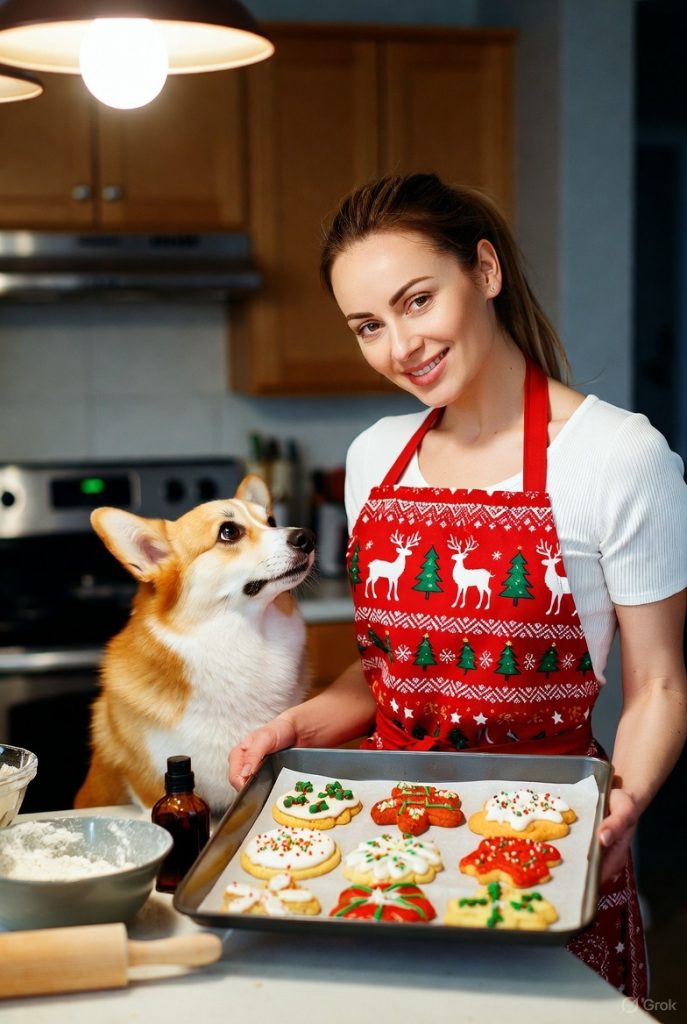
In our first article, we explored how to create a safe, comfortable home environment where your Pembroke Welsh Corgi can thrive during holiday celebrations. We established safe zones, managed guest interactions, and addressed noise sensitivity—laying the foundation for stress-free festivities. Now, with your home optimized for Corgi comfort, we turn our attention to one of the most challenging aspects of holiday pet care: nutrition.
The festive season transforms our homes into culinary wonderlands and nutrition guide filled with aromatic roasts, decadent desserts, and tables laden with tempting treats. For our Pembroke Welsh Corgis—a breed already predisposed to food motivation and weight gain—this abundance presents both opportunity and risk. Those pleading eyes and irresistible charm can make it nearly impossible to resist sharing our celebration, yet the consequences of holiday indulgence can range from mild digestive upset to life-threatening emergencies.
This article provides a comprehensive roadmap to navigating festive nutrition with your Corgi's health as the priority. You'll learn to distinguish between safe indulgences and dangerous temptations, craft homemade treats that celebrate without compromising wellness, and maintain nutritional balance amid the season's abundance. Whether you're planning an elaborate Christmas feast or casual summer barbecues, these strategies ensure your Corgi can participate joyfully in holiday dining without sacrificing their health.
Let's unwrap the secrets to festive feasting that keeps tails wagging and digestive systems happy.
Holiday Temptations & Corgi Health
The holiday dinner table represents a minefield of potential hazards for our Pembroke Welsh Corgis. What appears as harmless celebration to us can trigger serious health consequences for our four-legged companions. Understanding why dietary vigilance matters during this season—and which foods pose genuine threats—is essential for responsible pet ownership.
Why Dietary Vigilance Matters During Celebrations
The holiday season disrupts normal routines in ways that directly impact your Corgi's digestive health:
Increased food availability
Platters left on coffee tables, unattended plates, and multiple feeding opportunities throughout the day create unprecedented access to inappropriate foods. Even the most well-trained Corgi may struggle with constant temptation.
Multiple potential feeders
Holiday gatherings mean numerous people who may not understand your Corgi's dietary restrictions. Well-meaning guests, particularly those unaccustomed to dogs, often believe "just a small bite" is harmless, unaware that certain foods are toxic regardless of quantity.
Owner distraction
While entertaining, preparing meals, and managing celebrations, your vigilance naturally decreases. These moments of divided attention are precisely when opportunistic Corgis strike, snatching forbidden foods or receiving inappropriate treats from guests.
Cumulative effects
Small indulgences throughout the season compound. A bite of turkey here, a cheese cube there, and dessert scraps add up quickly, potentially triggering weight gain or digestive issues that don't manifest until after celebrations conclude.
Breed-specific vulnerabilities
Pembroke Welsh Corgis are prone to obesity due to their body structure and food motivation. Their long backs and short legs mean excess weight places tremendous strain on their spine. Additionally, their enthusiastic appetite can override natural satiety signals, making portion control crucial.
Common Holiday Food Hazards for Dogs
Not all holiday foods pose equal risk. Understanding the spectrum from mildly problematic to immediately dangerous helps you prioritize vigilance:

Immediately toxic (never, under any circumstances)
- Chocolate - Contains theobromine and caffeine, both toxic to dogs. Dark chocolate and baking chocolate pose the highest risk, but all varieties are dangerous.
- Xylitol - This artificial sweetener, found in sugar-free baked goods, candies, and some peanut butters, causes rapid insulin release leading to hypoglycemia and potential liver failure.
- Grapes and raisins - Even small quantities can cause acute kidney failure. This includes raisins in fruitcakes, trail mixes, or stuffing.
- Onions and garlic - These allium vegetables damage red blood cells, causing hemolytic anemia. This includes all forms—raw, cooked, powdered, or as seasoning in dishes.
- Macadamia nuts - Cause weakness, vomiting, tremors, and hyperthermia in dogs.
- Alcohol - Even small amounts can cause intoxication, potentially leading to respiratory failure.
High-risk foods (dangerous in typical holiday portions)
- Cooked bones - Splinter easily, causing choking, intestinal blockage, or perforation. This includes all poultry bones, regardless of size.
- Fatty meats and skin - Turkey skin, ham fat, prime rib trimmings trigger pancreatitis, a serious and painful inflammation of the pancreas.
- Rich gravies and sauces - High fat content combined with seasonings (often including onion or garlic) creates multiple hazards.
- Nutmeg and sage - Common holiday spices that are toxic in quantities typically found in seasonal dishes.
Problematic foods (cause digestive upset or long-term issues)
- Dairy products - Most adult dogs are lactose intolerant. Cheese, cream-based dishes, and desserts cause gas, diarrhea, and discomfort.
- Corn on the cob - The cob itself poses a serious blockage risk if swallowed.
- Raw bread dough - Expands in the warm stomach environment, causing bloating and potential alcohol toxicity as yeast ferments.
- Salty foods - Excessive sodium causes increased thirst, urination, and potentially sodium ion poisoning.
Understanding these categories allows you to assess risk rapidly when holiday chaos strikes and a concerned guest asks, "Can dogs eat this?"
Crafting a Corgi-Friendly Holiday Menu
Rather than focusing solely on restrictions, let's explore the abundance of safe, nutritious foods your Pembroke Welsh Corgi can enjoy during holiday celebrations. Creating a dedicated Corgi menu ensures they participate in festivities without the risks associated with table scraps.
Safe Protein Options
Nutrition Guide: High-quality, lean proteins form the foundation of healthy holiday treats for your Corgi:
- Turkey (skinless, unseasoned) - The star of many holiday tables is perfectly safe when prepared properly. White meat offers the leanest option, though dark meat is acceptable in moderation. Remove all skin, which concentrates fat and seasonings. Avoid any meat that has been basted with butter, oil, or seasoned rubs.
- Chicken (skinless, unseasoned) - Similar to turkey, plain cooked chicken provides excellent protein. Boneless breast meat is ideal, though thighs can be included occasionally. Never offer bones, and ensure the meat hasn't been prepared with onions, garlic, or excessive salt.
- Lean beef or lamb - Plain, well-cooked portions without visible fat, seasonings, or sauces. These richer meats should be offered more sparingly than poultry due to higher fat content.
- Fish (boneless, unseasoned) - Salmon or whitefish provide omega-3 fatty acids and make excellent occasional treats. Ensure all bones are removed and the fish hasn't been prepared with butter, oils, or seasonings.
Preparation guidelines
- Cook thoroughly with no pink remaining
- No seasoning whatsoever—what tastes bland to you is perfect for your Corgi
- Cool completely before offering to prevent burns
- Cut into small, manageable pieces appropriate for your Corgi's size
- Store safely and refrigerate promptly to prevent bacterial growth
Beneficial Vegetables

Nutrition Guide: Vegetables provide nutrients, fiber, and satisfying crunch without excessive calories:
- Carrots (raw or steamed) - Rich in beta-carotene and fiber, carrots offer satisfying crunch. Raw baby carrots make excellent low-calorie training treats or additions to puzzle toys. Steamed carrot medallions are softer for older Corgis.
- Green beans (steamed or raw) - Low in calories and high in fiber, green beans are often recommended for weight management. Plain, unsalted canned green beans (drained and rinsed) offer convenience during busy holiday preparation.
- Sweet potato (plain, cooked) - High in vitamins A and C, fiber, and minerals. Serve in small amounts due to natural sugar content. Never offer raw sweet potato or any variety prepared with marshmallows, butter, or brown sugar.
- Pumpkin (fresh plain) - Pure pumpkin purée (not pie filling) supports digestive health and provides beneficial nutrients. A tablespoon mixed with their regular food makes a festive addition.
- Broccoli (steamed, small amounts) - Offers vitamins K and C, but limit quantity as excessive broccoli can cause gastric irritation. Small florets only, avoiding thick stems.
- Cucumber (raw, sliced) - Extremely low calorie and hydrating, perfect for summer celebrations. Remove seeds if they cause digestive upset.
Preparation Guidelines
- Steam rather than boil to preserve nutrients
- No butter, oil, salt, or seasonings
- Avoid casserole preparations with cream sauces or cheese
- Introduce new vegetables gradually to avoid digestive upset
- Cut into appropriate sizes to prevent choking
Foods to Avoid Entirely
Nutrition Guide: Beyond the toxic foods listed earlier, certain holiday staples should never reach your Corgi:
- All baked goods and desserts - Even those without chocolate or xylitol contain excessive sugar, fat, and often problematic ingredients like nutmeg or raisins.
- Stuffing and dressing - Contains onions, garlic, excessive butter, and potentially dangerous seasonings.
- Mashed potatoes Typically prepared with butter, cream, garlic, and salt—all problematic in combination.
- Cranberry sauce - Excessive sugar content, and some varieties include grapes or raisins.
- Salads with dressing - Oils, vinegars, and seasonings in dressings cause digestive upset.
- Anything from the garbage - Post-meal disposal presents particular hazards. Secure trash bins with lids or place in areas inaccessible to your Corgi.
The Dangers of Fatty Foods
Among all holiday food hazards, fatty foods present the most insidious threat to Pembroke Welsh Corgis. Unlike immediately toxic substances that prompt emergency vet visits, fatty foods often seem innocuous in the moment, with devastating consequences emerging hours or days later.
Understanding Pancreatitis Risks
The pancreas produces digestive enzymes and insulin. When a dog consumes excessive fat, the pancreas can become inflamed—a condition called pancreatitis. For Pembroke Welsh Corgis, whose bodies aren't designed to process high-fat meals, this risk is particularly pronounced.
What happens during pancreatitis
The pancreas begins to digest itself, releasing enzymes that damage surrounding tissue. This creates a cascade of inflammation affecting not just the pancreas but potentially the entire abdominal cavity. In severe cases, the condition becomes life-threatening, requiring intensive hospitalization.
Risk factors specific to Corgis
- Breed predisposition - Some evidence suggests small to medium breeds face higher risk
- Body structure - Their compact build means a smaller margin for error in organ function
- Pre-existing weight issues - Overweight Corgis face dramatically increased risk
- Previous episodes - Once pancreatitis occurs, future episodes become more likely
- Concurrent conditions - Corgis with diabetes, hypothyroidism, or Cushing's disease have elevated risk
Dietary triggers
Even a single high-fat meal can precipitate acute pancreatitis in susceptible dogs. Common holiday culprits include:
- Turkey or ham skin
- Fatty meat trimmings
- Gravy and pan drippings
- Cheese platters and dips
- Buttered or oiled foods
- Desserts and baked goods
- Deep-fried foods
Why Rich Sauces and Leftovers Are Problematic

The danger of holiday leftovers extends beyond fat content
- Concentrated seasonings - As sauces reduce during cooking, seasonings concentrate. What began as a safe amount of garlic or onion powder becomes problematic in the finished product.
- Hidden ingredients - Gravies and sauces often contain stock or bouillon, which may include onion powder, garlic, or excessive sodium. Even "homemade" often means starting with store-bought bases containing problematic ingredients.
- Temperature concerns - Leftovers left at room temperature during extended gatherings become breeding grounds for bacteria. What's safe for humans with robust digestive systems can sicken dogs.
- Portion misjudgment - Sauces are deceptively calorie-dense. A tablespoon of gravy can contain as many calories as several ounces of plain turkey, but seems like a "small" addition.
Recognizing Symptoms of Digestive Distress
Nutrition Guide: Early recognition of pancreatitis and digestive upset allows prompt veterinary intervention, potentially preventing life-threatening complications:
Early warning signs (first 24 hours)
- Loss of appetite or refusing treats (highly unusual for food-motivated Corgis)
- Hunched posture or reluctance to move (indicating abdominal pain)
- Repeated vomiting, particularly if nothing is produced after initial episodes
- Diarrhea, especially if frequent or containing blood or mucus
- Excessive drooling or lip licking
- Restlessness or inability to get comfortable
Severe symptoms requiring immediate veterinary care
- Fever (normal dog temperature is 101-102.5°F)
- Lethargy or weakness, difficulty standing
- Abdominal distension or visible bloating
- Rapid breathing or panting when resting
- Collapse or loss of consciousness
- Dark, tarry stools (indicating intestinal bleeding)
The "prayer position" - Dogs with severe abdominal pain often assume a distinctive pose: front end lowered with rear elevated, similar to a play bow but held rigidly. This position attempts to relieve abdominal pressure and is a red flag for serious digestive issues.
When to seek emergency care
Don't wait for multiple symptoms to develop. If your Corgi exhibits any severe symptoms, or if mild symptoms persist beyond 12 hours, contact your veterinarian immediately. For after-hours concerns, locate your nearest emergency veterinary clinic before the holiday season begins.
Critical timing - The holiday season often coincides with reduced veterinary availability. Many clinics close for extended periods, and emergency services become overwhelmed. This reality makes prevention even more crucial—treating pancreatitis is far more challenging than preventing it.
Homemade Corgi Holiday Treats
Creating homemade treats allows you to celebrate with your Pembroke Welsh Corgi while maintaining complete control over ingredients. These recipes balance festive spirit with nutritional responsibility, ensuring safe indulgence during the holiday season. Simple, Safe Recipe.

Peanut Butter Holiday Biscuits
This straightforward recipe yields approximately 30 small treats perfect for training rewards or special occasions.
Ingredients
2 cups whole wheat flour (or oat flour for grain-sensitive Corgis)
1/2 cup natural peanut butter (verify xylitol-free—this is critical)
2 eggs
1/2 cup water (add gradually; dough should be firm but not crumbly)
Optional: 1 tablespoon honey for special occasions
Instructions
- Preheat oven to 350°F (175°C)
- Mix peanut butter and eggs until well combined
- Add flour gradually, stirring to combine
- Add water slowly until dough reaches firm, rollable consistency
- Roll dough to 1/4 inch thickness on floured surface
- Cut into small shapes (1-inch squares or use cookie cutters)
- Place on parchment-lined baking sheet
- Bake 20-25 minutes until golden and firm
- Cool completely before offering (warm treats can burn eager mouths)
- Store in airtight container for up to one week, or freeze for three months
Nutritional considerations
Each small biscuit contains approximately 25-30 calories. Factor these into your Corgi's daily caloric intake, reducing meal portions slightly on days when treats are offered.

Sweet Potato Chews
These single-ingredient treats are naturally sweet and nutritious.
Ingredients
- 2-3 large sweet potatoes
Instructions
1. Preheat oven to 250°F (120°C)
2. Wash sweet potatoes thoroughly
3. Slice lengthwise into 1/4-inch strips (uniform thickness ensures even drying)
4. Arrange on parchment-lined baking sheets without overlapping
5. Bake 3 hours, flipping halfway through
6. Treats should be leathery and slightly flexible, not crispy
7. Cool completely and store in airtight container for up to three weeks
Benefits
These chewy treats satisfy the urge to gnaw while providing vitamins and fiber. The natural sweetness feels indulgent without added sugars or fats.

Frozen Pumpkin Treats
Perfect for summer celebrations in the Southern Hemisphere.
Ingredients
- 1 cup plain pumpkin purée (not pie filling)
- 1 cup plain Greek yogurt (or lactose-free yogurt if your Corgi is sensitive)
- 1 ripe banana, mashed
Instructions
1. Blend all ingredients until smooth
2. Pour into ice cube trays or silicone molds
3. Freeze until solid (minimum 4 hours)
4. Pop out individual servings as needed
5. Store in freezer bag for up to three months
Serving suggestions
These frozen treats provide cooling relief during hot summer celebrations while delivering beneficial nutrients. Serve outside to avoid mess, and supervise to ensure your Corgi doesn't attempt to swallow large pieces whole.
When creating homemade treats, ingredient purity is paramount:
- Avoiding Harmful Additives and Preservatives
- Always verify peanut butter labels - Xylitol appears in many brands of "natural" or "reduced sugar" peanut butter. Read labels every time you purchase, as manufacturers change formulations without warning.
- Skip the salt - Even recipes designed for humans that seem dog-appropriate often include salt. Omit entirely from dog treats.
- Avoid artificial colors - Your Corgi doesn't care if treats are festively colored, and artificial dyes can trigger sensitivities or allergic reactions.
- No preservatives needed - Homemade treats lack the shelf life of commercial products, but proper storage eliminates the need for preservatives. Freeze larger batches, defrosting small quantities as needed.
- Fresh ingredients - Use fresh, high-quality ingredients. Rancid flour or old peanut butter compromises both safety and palatability.
Portion Sizes and Frequency Guidelines
The most perfect treat becomes problematic in excessive quantities:
- The 10% rule - Treats should comprise no more than 10% of your Corgi's daily caloric intake. For an average 25-30 pound Corgi requiring approximately 700-800 calories daily, this means 70-80 treat calories maximum.
- Size matters - Cut treats smaller than you think necessary. Multiple tiny treats feel more rewarding to your Corgi than a single large one, while containing fewer total calories.
- Frequency considerations
Daily treat - 2-3 small treats (for training or standard rewards)
Holiday occasions - 4-5 small treats spread throughout the day
Special celebrations - Maximum 6-8 very small pieces, with reduced meal portions - Adjust meals accordingly
On days featuring extra treats, reduce regular meal portions by the equivalent caloric amount. If your Corgi receives 80 treat calories, reduce their kibble by approximately 1/4 cup (depending on food caloric density). - Visual guide
A treat should be roughly the size of your fingernail for training purposes, or up to the first knuckle of your pinky finger for special occasion treats.
Portion Control & Weight Management
The holiday season's abundance creates particular challenges for Pembroke Welsh Corgis, a breed already prone to weight gain. Maintaining appropriate portions during this period protects your Corgi's long-term health while allowing them to participate in celebrations.
Maintaining Regular Feeding Schedules
Consistency provides the foundation for healthy weight management:
- Preserve meal timing - Feed at the same times daily, even when your schedule becomes hectic. Skipping or delaying meals can lead to ravenous eating, digestive upset, or opportunistic counter-surfing for inappropriate foods.
- Measure precisely - Holiday chaos makes it tempting to estimate portions, but accuracy matters. Use a proper measuring cup, not a random scoop or cup from your kitchen. Digital kitchen scales provide even greater precision.
- Pre-portioned meals - During busy holiday periods, measure several days' worth of meals in advance, storing individual portions in containers or bags. This eliminates decision-making during chaotic moments.
- Resist the urge to compensate - If you offer extra treats, reduce meal portions accordingly—don't simply add treats on top of regular meals. Total daily calories matter more than the distribution between meals and treats.
Calculating Appropriate Treat Allowances
Understanding your Corgi's specific caloric needs allows informed decisions about treat portions:
Baseline calculation
Adult Pembroke Welsh Corgis typically require:
- Sedentary/seniors: 30-35 calories per pound of ideal body weight
- Moderately active: 35-40 calories per pound
- Very active: 40-45 calories per pound
Example calculation
A moderately active 27-pound Corgi requires approximately 27 × 37 = 999 calories daily. The 10% treat allowance equals roughly 100 calories from treats, leaving 900 calories from regular meals.
Common treat calories
- Small commercial training treat: 3-5 calories
- One-inch square homemade biscuit: 25-30 calories
- One tablespoon plain chicken: 25 calories
- Baby carrot: 4 calories
- One tablespoon pumpkin: 5 calories
Holiday Strategy
If you know a special celebration approaches, you might allocate that day's treat allowance differently—saving the full 100 calories for special treats rather than distributing throughout the day.
Preventing Holiday Weight Gain
Proactive strategies prevent the creeping weight gain that often surprises owners in January:
Weekly weight checks - Weigh your Corgi at the same time each week throughout the holiday season. A home scale works if your Corgi will stand still, or stop by your veterinary clinic for quick weight checks. More than 1-2 pounds of gain warrants immediate intervention.
The rib test - You should be able to feel your Corgi's ribs with light finger pressure, without seeing them prominently. If ribs become difficult to locate, your Corgi is gaining weight. If suddenly visible, they're losing weight.
Adjust immediately - If weight creeps up, reduce portions slightly and increase exercise. Don't wait until after the holidays for intervention—prevention is far easier than weight loss.
Exercise commitment - Holiday schedules often reduce exercise time, but maintaining activity levels helps offset dietary indulgences. Even 10-15 minutes of additional activity daily makes significant differences.
Enlist family support - Ensure everyone in your household understands weight management goals and agrees to unified feeding rules. The most careful portions become meaningless if others sneak treats.
Post-holiday assessment - Schedule a veterinary checkup in January to assess your Corgi's weight and condition, implementing a structured weight loss plan if needed.
Long-term perspective - Remember that Pembroke Welsh Corgis are exceptionally long-lived when maintained at healthy weights. Those pleading eyes are hard to resist, but every unnecessary pound you prevent potentially adds quality years to your Corgi's life.
Hydration Essentials

While nutrition often dominates holiday health concerns, proper hydration is equally critical—particularly for Southern Hemisphere Corgis navigating summer celebrations. Adequate water intake supports digestion, temperature regulation, and overall physiological function.
Summer-Specific Hydration Needs
Hot weather dramatically increases your Corgi's water requirements:
Temperature effects - Dogs cool themselves primarily through panting, which expels significant moisture. Summer temperatures mean constant evaporative cooling, increasing hydration needs by 50% or more compared to mild weather.
Activity considerations - Holiday gatherings often include outdoor activities—beach visits, yard games, walks to see neighbors. Each activity session increases water requirements. A Corgi might need only 1 ounce of water per pound of body weight daily in cool weather (roughly 27 ounces for a 27-pound Corgi), but may require 1.5-2 ounces per pound during active summer days.
Dietary factors - Treats and special foods may have different moisture content than regular meals. Dry treats increase hydration needs compared to kibble with higher moisture content.
Individual variation - Panting frequency, coat thickness (Corgis have double coats despite their appearance), and individual metabolism all affect hydration needs. Some Corgis naturally drink more than others.
Water Accessibility During Gatherings
Making water constantly available requires strategic planning:
Multiple stations - Place water bowls in several locations—their usual spot, plus additional bowls in areas where celebrations occur. If guests gather outdoors, ensure outdoor water stations exist.
Elevated bowls - During parties, floor-level bowls risk being knocked over or contaminated by foot traffic. Elevated bowls (appropriate for your Corgi's height) can be safer during crowded events.
Fresh water frequently - Change water several times daily, or whenever you notice debris, food particles, or warm temperature. Corgis often prefer cool, fresh water to lukewarm bowls that have sat for hours.
Portable options for outings - Collapsible water bowls or pet water bottles with attached bowls make hydration convenient during holiday excursions. Keep these in your car year-round for spontaneous adventures.
Ice cube treats - Frozen plain water cubes or those with small bits of fruit (blueberries, watermelon) create playful hydration opportunities. Particularly appealing during summer heat, these turn drinking into entertainment.
Monitor consumption - Pay attention to how much your Corgi drinks. Significant increases or decreases in water consumption can indicate health issues requiring veterinary attention.
Signs of Dehydration to Watch For
Early recognition of dehydration allows prompt intervention:
Skin elasticity test - Gently lift skin at your Corgi's shoulder blade. In well-hydrated dogs, skin snaps immediately back to position. Slow return (taking more than 1-2 seconds) indicates dehydration.
Gum assessment - Press your finger against your Corgi's gums, creating a white spot. In hydrated dogs, color returns within 1-2 seconds. Prolonged capillary refill time suggests dehydration.
Physical signs
- Dry, sticky gums rather than moist and slippery
- Sunken eyes
- Lethargy or unusual tiredness
- Loss of appetite
- Thick saliva
Behavioral indicators
- Excessive panting even when resting in cool areas
- Seeking out cool surfaces (tile floors, shaded areas)
- Disinterest in activities they normally enjoy
- Reluctance to move or play
Severe dehydration symptoms requiring immediate veterinary care!
- Vomiting or diarrhea (which worsen dehydration)
- Inability to stand or walk
- Collapse or loss of consciousness
- Dark yellow or brown urine (healthy urine is pale yellow)
Prevention strategies
- Offer water after every play session or outdoor activity
- On particularly hot days, add ice cubes to water bowls to keep them cool longer
- If traveling, stop every 1-2 hours to offer water
- Never leave your Corgi in a car, even briefly (temperatures rise dangerously within minutes)
Special considerations for senior Corgis
Older dogs may have reduced thirst drive despite increased hydration needs. Encourage drinking by adding small amounts of low-sodium broth to water, or offering ice cubes as treats.
Healthy Indulgence for Happy Corgis

Navigating the nutritional landscape of the holiday season with your Pembroke Welsh Corgi need not feel like an exercise in deprivation—for either of you. The strategies we've explored create a framework where celebration and health coexist, where your Corgi participates meaningfully in festive traditions without compromising their well-being.
The key lies in preparation and intention. By crafting a dedicated Corgi-friendly menu before celebrations begin, you eliminate those moment-by-moment decisions about whether to share your plate. When you've prepared homemade treats in advance, your Corgi receives special holiday indulgences without the risks of table scraps. When you've educated guests about feeding restrictions before they arrive, you prevent well-meaning but dangerous treat-sharing.
Remember that your Corgi's experience of holiday celebrations differs fundamentally from your own. They don't understand that the meal took hours to prepare or that certain dishes appear only once yearly. What matters to them is spending time with their beloved humans, receiving attention and affection, and yes—enjoying a few special treats. The specific foods matter far less than the experience of inclusion.
The most valuable gift you can offer your Pembroke Welsh Corgi isn't unlimited access to the holiday table. It's the gift of health—the ability to bound energetically into many more holiday seasons, unencumbered by the weight gain, digestive issues, or chronic conditions that stem from repeated indulgence. Those pleading eyes are hard to resist, but every time you choose a carrot over a cookie, plain turkey over fatty skin, you're investing in their future.
As you implement these nutritional strategies throughout the holiday season, you'll likely discover something wonderful: your Corgi thrives not on expensive treats or table scraps, but on the structure, attention, and thoughtful care these practices represent. Their tail wags just as enthusiastically for a baby carrot offered with love as for any forbidden food.
Looking Ahead
Adventures and Accommodations
With your home environment optimized and nutrition managed, the final piece of the holiday puzzle awaits: travel and outdoor adventures. In our concluding article, "On the Road with Your Corgi: Holiday Travel & Adventure Planning," we'll explore how to maintain your Corgi's health and happiness when celebrations take you beyond home.
We'll cover essential travel preparations—from veterinary documentation to packing the perfect travel kit. You'll learn strategies for stress-free road trips and air travel, discover how to choose truly pet-friendly accommodations, and master the art of outdoor summer activities that keep your Corgi safe in hot weather. We'll also address paw protection from scorching surfaces, maintaining hydration during adventures, and recognizing when your Corgi needs a break from activities.
Because the most memorable holiday celebrations often involve exploration and adventure, ensuring your Pembroke Welsh Corgi can join these experiences safely and joyfully completes our comprehensive guide to festive season success. Join us for the final installment as we hit the road with confidence, preparation, and our cherished Corgis by our side.