Why are the first weeks of a puppy’s life so important?
Every healthy adult dog begins life with extraordinary potential, yet no puppy is born with a finished personality, complete behavioural repertoire, or mature nervous system. The earliest weeks of life represent a period of astonishing biological change. During this relatively short window, billions of neural connections are formed, the senses awaken one by one, movement becomes coordinated, learning begins, and the foundations for future emotional stability are established.
Many Guardians assume that meaningful learning starts only after a puppy arrives home at eight weeks of age. Modern developmental science demonstrates the opposite. Long before a puppy opens its eyes, its body and brain are already responding to the environment created by the breeder, its mother, littermates, nutrition, handling, temperature, sound, scent, and even stress hormones.
The quality of these earliest experiences influences far more than immediate survival. They shape how effectively a puppy learns, copes with novelty, forms relationships, regulates fear, and adapts throughout adulthood.
Understanding early development therefore is not simply about knowing when a puppy opens its eyes or begins to walk. It is about recognising that every stage builds upon the previous one. Missing or disrupting one developmental process often has consequences that appear months or even years later.
For responsible breeders and future Guardians alike, understanding these developmental stages provides one of the greatest opportunities to produce confident, emotionally resilient companion dogs.
What Early Development Really Is
Early development refers to the continuous biological and behavioural changes that occur from conception until approximately twelve weeks of age. Although this article concentrates primarily on the first eight weeks—the period typically spent with the breeder—it is important to understand that development does not occur in isolated stages. Instead, it resembles an intricate chain of overlapping processes, each preparing the puppy for the next challenge.
Development occurs simultaneously across several interconnected systems.
Physical Development
The body grows at an astonishing rate. Organs mature, muscles strengthen, bones lengthen, and the immune system gradually becomes capable of functioning independently. During the neonatal period, survival depends almost entirely upon maternal care. By the end of eight weeks, puppies are capable of coordinated movement, thermoregulation, and increasingly independent exploration.
Neurological Development
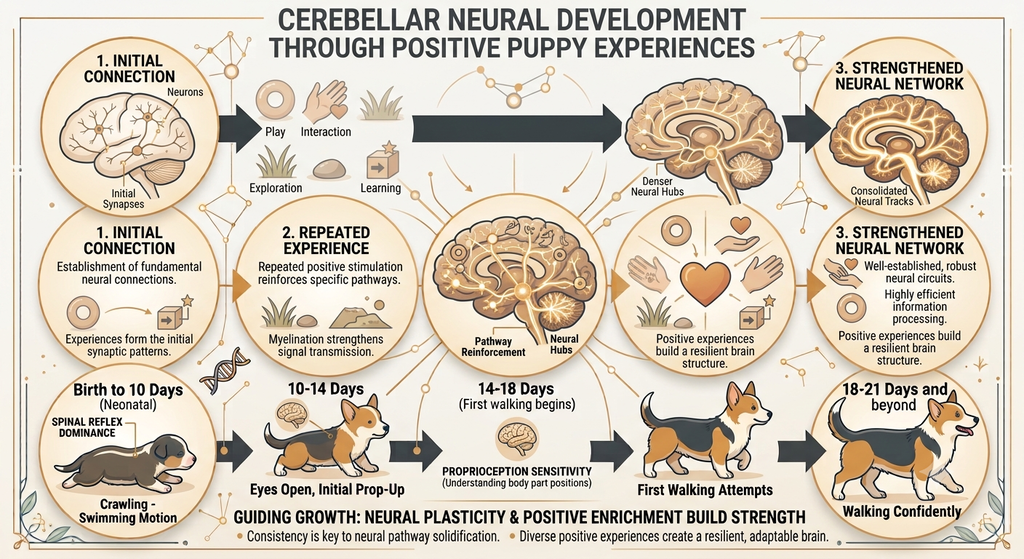
Perhaps the most remarkable changes occur inside the brain. At birth, a puppy possesses most of the neurons it will ever have. What it lacks are the enormous networks of communication between those neurons.
Every new experience strengthens certain neural pathways while allowing unused pathways to disappear through a process known as synaptic pruning. Rather than simply accumulating knowledge, the developing brain continually reorganises itself to become more efficient.
This plasticity reaches its greatest level during early puppyhood, making the first weeks uniquely important.
Sensory Development
Unlike many mammals, puppies are born neurologically immature.
Their eyes remain closed.
Their ears are sealed.
Vision is absent.
Hearing is absent.
Body temperature is poorly regulated.
Despite these limitations, puppies are far from inactive. Their sense of touch, smell, and taste function remarkably well from birth. These senses enable newborns to locate their mother, identify nipples, distinguish littermates, and respond to warmth.
As hearing and vision gradually emerge during the transitional period, the puppy experiences an entirely new world. The brain must suddenly integrate visual, auditory, tactile, vestibular, and olfactory information into a coherent understanding of the environment.
Behavioural Development
Behaviour develops long before formal training begins.
Suckling.
Sleeping.
Crawling.
Vocalising.
Seeking warmth.
Competing gently with siblings.
These seemingly simple activities are actually complex behavioural building blocks. Each successful interaction teaches the developing nervous system how to solve increasingly complicated problems.
Eventually these behaviours expand into play, communication, social hierarchy, frustration tolerance, and emotional regulation.
Emotional Development
Modern canine behavioural science increasingly recognises emotional development as equally important to physical growth. The capacity to regulate stress does not suddenly appear in adulthood. Instead, emotional regulation develops gradually through repeated interactions with the mother and littermates.
A calm mother helps regulate physiological stress.
Warmth reduces cortisol.
Consistent nursing lowers distress.
Sleep consolidates neurological development.
Gentle handling teaches recovery after mild stress.
These early emotional experiences establish the biological systems that later influence confidence, fear recovery, attachment, and social behaviour.
Development Is Cumulative
One of the greatest misconceptions is that developmental milestones occur independently.
In reality, development is cumulative.
Healthy muscle development enables exploration.
Exploration creates learning.
Learning stimulates brain growth.
Brain growth improves coordination.
Improved coordination encourages play.
Play develops communication.
Communication strengthens social competence.
Every developmental achievement creates the opportunity for another.
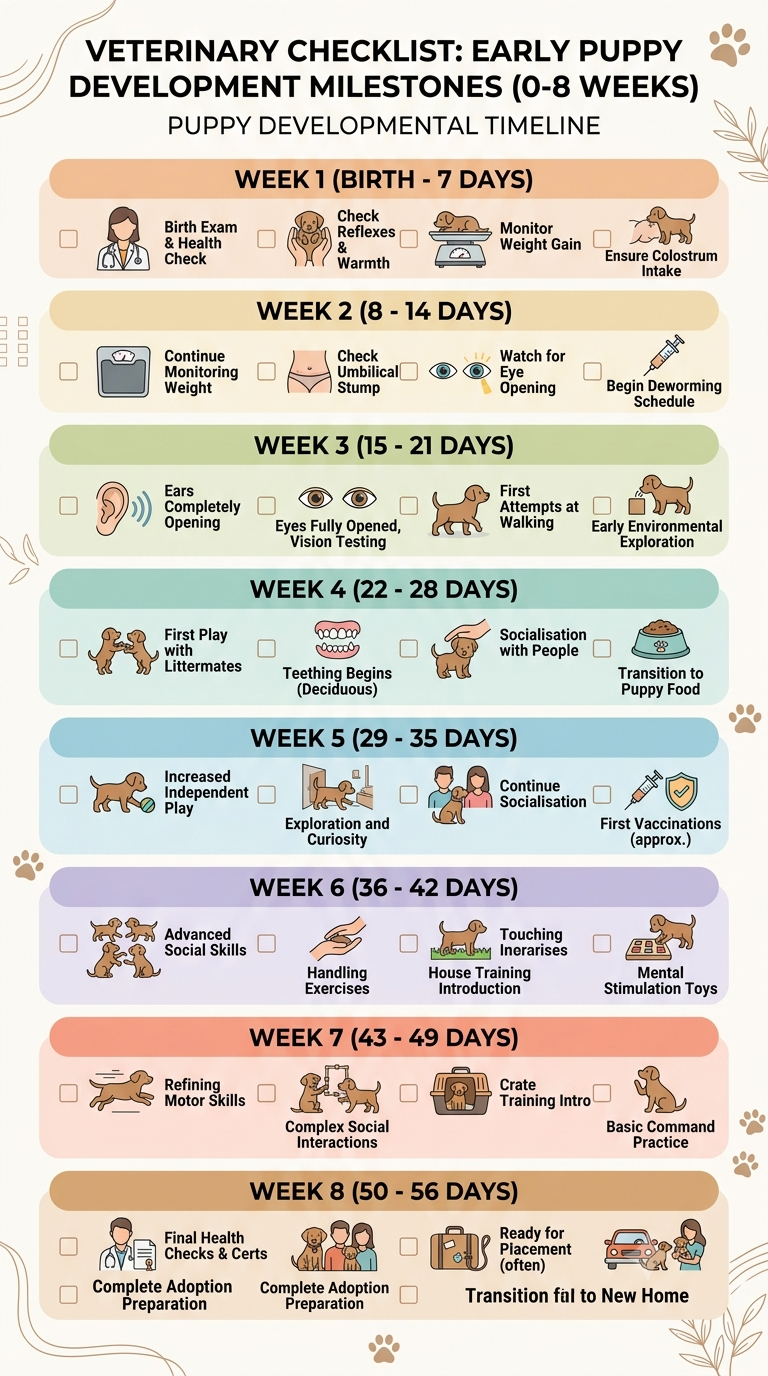
For this reason, early development should never be viewed as a checklist of milestones. It is better understood as a living biological system in which physical growth, neurological maturation, behaviour, and environment continuously influence one another.
The Science of Early Development
Nature Builds the Blueprint—Experience Builds the Dog
One of the most significant advances in canine science over the past three decades has been the understanding that genes alone do not determine behaviour.
Genes provide the biological blueprint. Experience determines how much of that blueprint is expressed. This concept, known as developmental plasticity, lies at the heart of modern developmental biology.
Plasticity refers to the nervous system's extraordinary ability to change its structure and function in response to experience. During early puppyhood, the brain is exceptionally plastic. Neural circuits are created, strengthened, modified, and sometimes eliminated according to the puppy's interactions with its environment.
This means that two genetically similar puppies raised under different early conditions may mature into remarkably different adults.
One may become confident, adaptable, and socially competent. The other may develop chronic anxiety, poor stress tolerance, or difficulty learning. The difference often lies not in genetics alone, but in how genetics interacted with early experience.
The Developing Brain
At birth, the puppy's brain is far from complete.
Although the majority of neurons are already present, the connections between them remain relatively sparse.
Over the following weeks, several extraordinary developmental processes occur simultaneously:
explosive synapse formation
rapid myelination of nerve fibres
growth of dendritic branches
refinement of sensory pathways
maturation of motor control
development of emotional processing centres
Each second, countless new neural connections are formed.
This period represents one of the fastest rates of neurological development seen during the dog's entire lifetime.
Research in developmental neurobiology demonstrates that neural circuits receiving repeated stimulation become progressively stronger, while unused pathways gradually weaken through synaptic pruning. Rather than being a loss, pruning is a vital process that increases efficiency by retaining the most useful networks.
The remarkable transformation from a blind, deaf, and almost entirely dependent newborn into an inquisitive, learning puppy does not occur by chance. It is directed by an intricate interaction between genetics, prenatal biology, maternal care, nutrition, environmental experience, and neurological maturation. Modern developmental biology increasingly recognises that no single factor determines a puppy's future. Rather, development emerges from thousands of biological processes working simultaneously, each influencing the others.
To understand why the earliest weeks are so influential, it is helpful to begin even before birth. Many of the systems that shape behaviour after whelping have already begun developing during pregnancy. The puppy's first environment is therefore not the whelping box but the uterus.
Development Begins Before Birth
Early development is often mistakenly associated with the moment a puppy is born. In reality, birth represents only one milestone in a much longer developmental journey. The prenatal period establishes the structural and physiological foundations upon which all later learning depends.
During gestation, organs form, neural pathways begin to emerge, sensory structures develop, hormones shape tissue differentiation, and the genetic blueprint begins interacting with the maternal environment. Although unborn puppies cannot consciously learn in the way older puppies do, they are already responding biologically to conditions within the uterus.
This understanding has fundamentally changed modern breeding science. Responsible breeders now recognise that prenatal care influences not only litter survival but potentially lifelong health and behavioural resilience.
Genetic Blueprint Versus Developmental Expression
Every puppy inherits approximately 39 pairs of chromosomes, carrying thousands of genes contributed equally by its sire and dam. These genes determine countless characteristics, including coat colour, skeletal structure, metabolism, neurological architecture, immune function, and predispositions for particular behavioural traits.
However, genes should not be viewed as rigid instructions.
A more accurate analogy is that genes resemble the architectural drawings for a house. The plans determine what can potentially be built, but the quality of construction depends upon materials, weather conditions, workmanship, and maintenance.
Similarly, genes establish developmental potential rather than predetermined outcomes.
A puppy may inherit a strong genetic predisposition for confidence, yet chronic prenatal stress, poor maternal nutrition, illness, or adverse early experiences may reduce the expression of that potential. Conversely, excellent maternal care and an enriched early environment may allow inherited strengths to be expressed more completely.
Development therefore results from the continuous interaction between inheritance and environment rather than either acting independently.
Epigenetics
When Environment Influences Gene Expression
One of the most important discoveries in developmental biology is the field of epigenetics.
Epigenetics examines how environmental influences regulate the activity of genes without altering the underlying DNA sequence. Chemical modifications, including DNA methylation and histone modification, act as molecular switches that determine whether specific genes become more active or less active during development.
This process helps explain why genetically similar individuals can mature into adults with markedly different behavioural characteristics.
In canine development, maternal nutrition, stress hormones, illness, inflammation, and environmental stability all influence epigenetic regulation during gestation. Research across mammals indicates that prenatal stress may alter the development of the hypothalamic-pituitary-adrenal (HPA) axis, the primary neuroendocrine system responsible for regulating stress responses.
Although canine-specific epigenetic research remains relatively young, findings from veterinary medicine and comparative mammalian studies strongly suggest that prenatal environmental quality contributes to later resilience, emotional regulation, and behavioural flexibility.
This reinforces an important principle throughout this framework:
Healthy behavioural development begins with healthy breeding management long before puppies are born.
Maternal Physiology Shapes the Prenatal Environment
The developing fetus depends entirely upon the dam for oxygen, nutrients, hormones, antibodies, and waste removal.
Consequently, the mother's physiological condition becomes the puppy's first environment.
A healthy dam provides remarkably stable developmental conditions. Blood glucose remains well regulated, oxygen delivery remains consistent, and stress hormones remain within healthy physiological ranges.
When maternal physiology becomes compromised, however, the fetus must adapt to changing biological conditions.
Examples include:
chronic nutritional deficiencies
prolonged maternal illness
excessive environmental stress
elevated circulating cortisol
significant inflammatory disease
placental insufficiency
These factors do not necessarily produce obvious birth defects. More commonly, they subtly influence neurological maturation, endocrine development, immune competence, and metabolic regulation.
This concept has become increasingly important within developmental medicine because many adult conditions may originate from these seemingly minor prenatal adaptations.
Fetal Brain Development
Although newborn puppies appear neurologically immature, the foundations of the nervous system begin forming astonishingly early during gestation. Within weeks of conception, neural tissue differentiates into specialised regions that will eventually become the spinal cord, cerebellum, brainstem, limbic system, and cerebral cortex.
Each region matures according to its own developmental timetable.
Primitive survival functions develop first.
Breathing regulation.
Heart rate control.
Basic reflexes.
Thermoregulatory mechanisms.
These systems must function immediately after birth.
Higher cognitive centres responsible for learning, memory, emotional regulation, and complex social behaviour continue developing well into puppyhood. This staged development explains why newborn puppies display powerful instinctive behaviours despite possessing little conscious awareness of their surroundings. The neonatal brain prioritises survival before exploration.
The Developing Sensory Systems
The sensory organs begin developing before birth, although several remain functionally immature until after whelping.
The olfactory system develops earliest and becomes functional before birth, explaining why newborn puppies can immediately recognise maternal scent after delivery.
Taste receptors also become functional prenatally.
Vestibular structures responsible for balance begin forming during gestation but require considerable postnatal maturation before coordinated movement becomes possible.
Vision and hearing develop structurally before birth, yet remain physiologically inactive until the transitional period. This delayed activation protects these delicate sensory systems while neurological connections continue maturing.
Rather than representing developmental delays, these staggered timelines illustrate the remarkable efficiency of mammalian development. Each sensory system becomes operational only when the brain is sufficiently prepared to interpret the incoming information.
Development Is an Energy-Intensive Process
Few biological events demand as much energy as early development.
Rapid cellular division, protein synthesis, neural growth, skeletal formation, and organ maturation require extraordinary nutritional resources. For this reason, maternal nutrition directly influences fetal development. Proteins provide amino acids required for tissue formation. Essential fatty acids contribute to neuronal membrane construction and myelination. Minerals such as calcium and phosphorus support skeletal growth.
Micronutrients, including folate, iodine, zinc, and several B vitamins, participate in countless enzymatic reactions governing neurological and metabolic development. Even modest nutritional imbalances during critical developmental windows may influence growth trajectories.
This explains why responsible breeding programmes devote considerable attention to optimising maternal nutrition throughout pregnancy rather than simply increasing food intake during late gestation.
Scientific Perspective
One of the most profound conclusions emerging from modern developmental biology is that puppies are not passive passengers during gestation. Instead, they are active biological systems responding continuously to information received from their prenatal environment.
Genes provide possibilities.
The uterus provides context.
Maternal physiology provides regulation.
Together, these influences begin shaping the individual long before its first breath.
Birth and the Neonatal Period (0–2 Weeks)
The moment of birth marks a profound biological transition. Within minutes, the puppy must adapt from the protected, temperature-controlled environment of the uterus to an external world where breathing, maintaining body temperature, obtaining nutrition, and avoiding infection become immediate challenges.
Although healthy newborn puppies appear fragile, they are equipped with a remarkable collection of innate adaptations that maximise their chances of survival. At the same time, they remain among the most developmentally immature mammals. Their continued survival depends almost entirely upon maternal care and a stable environment provided by the breeder.
Unlike many species whose young are born relatively mature and mobile, domestic dogs are an altricial species. Altricial offspring are born neurologically and physically underdeveloped, requiring extensive parental care before they become independent. This evolutionary strategy allows for prolonged brain development after birth, increasing the nervous system's capacity for learning and behavioural flexibility.
The neonatal period therefore should not be viewed merely as the first stage of puppyhood. It is a highly specialised developmental window during which the body is primarily concerned with establishing the fundamental physiological systems necessary for life itself.
The Newborn Puppy
Designed for Survival Rather Than Exploration
To appreciate neonatal development, it is important to understand that newborn puppies are not miniature adult dogs. Their priorities, sensory abilities, metabolic demands, and neurological organisation differ profoundly from those of older puppies.
A newborn puppy cannot regulate its own body temperature efficiently. Vision and hearing are absent, voluntary movement is extremely limited, and conscious interaction with the surrounding environment is minimal. Instead, nearly every biological system is directed towards four essential functions:
breathing,
feeding,
maintaining warmth,
conserving energy for growth.
These priorities are reflected in the puppy's daily routine. During the first week of life, healthy puppies spend approximately 90 percent of their time sleeping and most of the remaining time nursing. This pattern is not evidence of inactivity. On the contrary, it reflects one of the most metabolically active periods of life, during which enormous amounts of energy are diverted towards tissue growth and neurological maturation.
Every gram of body weight gained represents millions of newly formed cells, expanding neural networks, developing muscles, strengthening bones, and maturing internal organs.
The Extraordinary Transition from Placental to Independent Life
Birth initiates a series of rapid physiological adjustments that must occur within minutes if the puppy is to survive. While many of these changes happen automatically, they involve an extraordinary level of biological coordination.
The First Breath
Perhaps the most dramatic event is the establishment of independent respiration. Inside the uterus, oxygen reaches the fetus through the placenta. The lungs remain fluid-filled and largely inactive because gas exchange occurs through maternal circulation. Immediately after birth, this arrangement must change.
As the puppy emerges from the birth canal, compression of the thorax helps expel fluid from the lungs. The first breaths inflate previously collapsed air sacs, known as alveoli, allowing oxygen to enter the bloodstream for the first time.
This transition requires a coordinated interaction between respiratory muscles, surfactant production within the lungs, circulatory changes, and neurological control centres in the brainstem. Failure of any component may result in respiratory distress, making the first minutes after birth particularly critical.
Reorganisation of the Circulatory System
The cardiovascular system also undergoes a remarkable transformation.
Before birth, several specialised fetal blood vessels allow circulation to bypass the lungs because oxygenation occurs via the placenta. Once breathing begins, these fetal shunts gradually close as blood flow is redirected through the now-functional lungs. Among the most important structures are:
the ductus arteriosus,
the foramen ovale,
the ductus venosus.
Closure of these temporary fetal pathways converts circulation into the adult pattern, ensuring efficient oxygen delivery throughout the body. Although largely invisible to the breeder, this transition represents one of the most complex physiological reorganisations occurring during early life.
Thermoregulation
One of the Greatest Challenges
Maintaining a stable body temperature is among the newborn puppy's greatest physiological challenges. Unlike adult dogs, neonates possess very limited capacity to generate body heat. Their muscles are insufficiently developed to produce effective shivering, body fat reserves remain minimal, and the neurological mechanisms controlling temperature regulation are still immature. Several anatomical characteristics further increase heat loss:
relatively large body surface area,
thin skin,
sparse coat,
limited insulation,
high water content.
Consequently, newborn puppies lose heat rapidly when separated from the litter or exposed to cool environments.
This dependence explains the characteristic behaviour observed shortly after birth. Puppies instinctively crawl toward warm objects, clustering tightly against littermates and the dam. This behaviour conserves heat while simultaneously reducing energy expenditure.
For breeders, maintaining an appropriate environmental temperature within the whelping area is therefore not merely a matter of comfort but an essential component of neonatal survival.
Why Hypothermia Is So Dangerous
Hypothermia initiates a cascade of physiological problems that extend far beyond reduced body temperature. As body temperature falls:
digestive function slows,
suckling reflexes weaken,
milk digestion becomes impaired,
blood glucose declines,
immune function deteriorates,
oxygen consumption decreases,
cardiac performance weakens.
Eventually, the puppy becomes too weak to nurse, further accelerating energy depletion.
This self-reinforcing cycle explains why prompt intervention is critical whenever neonatal hypothermia develops.
Importantly, severely chilled puppies should never be fed immediately. Milk entering a poorly functioning digestive system is inadequately processed and may worsen clinical complications. Veterinary neonatal protocols generally recommend restoring body temperature gradually before attempting feeding.
Reflexes
The First Behavioural Repertoire
Although newborn puppies possess little voluntary control over their movements, they exhibit an impressive collection of innate reflexes. These reflexes are hard-wired neural responses that require no prior learning and ensure immediate survival during the earliest days of life.
Rather than reflecting primitive behaviour, neonatal reflexes demonstrate the remarkable organisation of the developing nervous system. They allow the puppy to perform essential tasks despite having an immature brain.
Rooting Reflex
When the muzzle or cheek is gently touched, the puppy instinctively turns its head toward the stimulus. This rooting reflex assists in locating the mother's nipples shortly after birth. Because vision is absent, touch and olfactory cues guide this behaviour.
Suckling Reflex
Once the nipple is located, rhythmic suckling begins almost automatically. This coordinated pattern involves multiple cranial nerves, jaw muscles, tongue movements, swallowing mechanisms, and respiratory timing. Despite the apparent simplicity of nursing, it represents a highly sophisticated neurological programme that develops before birth.
Healthy suckling provides not only nutrition but also hydration, passive immunity, emotional regulation, and stimulation of gastrointestinal function.
Righting Reflex
When gently placed on its back, a healthy neonate rapidly attempts to return to a normal position. This righting reflex reflects early integration of vestibular and motor systems and provides valuable information regarding neurological health. Veterinarians frequently assess this reflex when evaluating neonatal viability.
Flexor Withdrawal Reflex
If the paw encounters a painful stimulus, it is immediately withdrawn. This protective mechanism develops early because preventing tissue damage is essential for survival. Unlike voluntary movement, reflex pathways operate primarily through the spinal cord, allowing extremely rapid responses even before higher brain centres mature.
Sleep
The Hidden Engine of Development
To many observers, neonatal puppies appear to spend their lives asleep. In reality, sleep during this period is one of the most biologically active states experienced throughout life. During neonatal sleep, the brain performs functions that are impossible during wakefulness.
Neurons establish new connections.
Proteins required for neural growth are synthesised.
Hormones regulating tissue development are released.
Cellular repair mechanisms operate continuously.
Memories—however primitive—begin consolidating.
One particularly fascinating feature is active sleep, analogous to REM sleep in adult mammals. During this stage, puppies frequently display small muscle twitches, paddling movements, whisker contractions, and brief vocalisations.
These movements are not signs of dreaming in the human sense. Instead, they are believed to contribute to the calibration of developing motor circuits within the brain and spinal cord.
Research in developmental neuroscience suggests that these spontaneous movements provide sensory feedback that helps organise the immature nervous system, effectively allowing the brain to "map" the body before coordinated voluntary movement becomes possible.
Section Summary
The neonatal period is often overlooked because newborn puppies appear passive and relatively inactive. Modern science paints a very different picture.
Beneath the surface, the body is undergoing one of the fastest and most complex periods of physiological change it will ever experience. Every heartbeat, every nursing episode, every hour of sleep, and every interaction with the dam contributes to constructing the biological foundations upon which future behaviour, learning, health, and emotional resilience will depend.
Far from being a quiet beginning, the neonatal period is an extraordinary demonstration of developmental precision.
The Science of Early Development
Maternal Care
The Puppy's First Developmental Environment
When people think about puppy development, they often focus on genetics or the physical growth of the litter. While both are critically important, neither operates in isolation. Between the inherited genetic blueprint and the external environment stands one of the most influential biological factors in early life—the dam.
For approximately the first three weeks after birth, the mother regulates almost every aspect of the puppy's existence. She provides nourishment, warmth, hygiene, protection, behavioural stimulation, and emotional stability. In many respects, the dam functions as an extension of the puppy's immature physiological systems until those systems can operate independently.
Developmental scientists increasingly refer to this concept as co-regulation, where one individual temporarily regulates the biological functions of another. In mammals, this relationship is fundamental to early survival and has profound implications for long-term emotional development.
The Mother as a Physiological Regulator
Immediately after birth, puppies remain incapable of independently maintaining many essential physiological processes. Although their organs are functional, their regulatory systems are still immature.
The mother compensates for these limitations in numerous ways.
Her body provides warmth that helps stabilise the puppies' temperature.
Her milk supplies not only nutrients but also water, hormones, enzymes, immune factors, and beneficial microorganisms.
Her presence reduces unnecessary movement, conserving valuable energy for growth.
Her grooming stimulates elimination before neurological pathways controlling bladder and bowel function have matured.
Even her breathing, heartbeat, scent, and body position provide constant sensory information that helps organise the developing nervous system.
This continuous physiological support allows the puppy to devote the majority of its metabolic resources to growth rather than survival.
Maternal Grooming Is a Biological Necessity
To many new breeders, the dam's constant licking of her puppies appears to be little more than affectionate behaviour. In reality, maternal grooming serves several essential biological functions.
Immediately after birth, vigorous licking removes fetal membranes, clears fluid from the nose and mouth, stimulates breathing, and promotes circulation. These actions help initiate independent life outside the uterus.
During the following weeks, grooming continues to play an equally important role. Because newborn puppies cannot voluntarily urinate or defecate, the mother stimulates the anogenital region with her tongue after feeding. This activates spinal reflex pathways responsible for elimination.
Without this stimulation, waste products accumulate rapidly, potentially leading to severe illness. Maternal grooming also keeps the nesting area relatively clean, reducing bacterial contamination during a period when the puppies' immune systems remain immature.
Research in several mammalian species has shown that maternal grooming influences neurological development by affecting stress regulation and the maturation of the autonomic nervous system. While canine-specific research continues to evolve, these findings reinforce the importance of allowing normal maternal behaviour whenever possible.
Feeding
Far More Than Nutrition
Nursing is often described simply as feeding, yet it represents one of the most complex interactions occurring during neonatal life. Each nursing episode involves coordinated communication between the puppies and their mother. Puppies locate the mammary glands primarily through olfactory and tactile cues.
The act of suckling stimulates the release of oxytocin in the mother, promoting milk let-down and reinforcing maternal behaviour. At the same time, nursing lowers stress levels in the puppies, stabilises body temperature, and supports neurological organisation. This interaction creates a powerful feedback system in which both mother and litter influence one another continuously.
Far from being passive recipients of care, puppies actively stimulate hormonal responses that strengthen maternal bonding.
Colostrum: The First Immune System
Among the most important events in neonatal life is the consumption of colostrum.
Colostrum is the specialised milk produced during the first 12 to 24 hours after birth. Although smaller in volume than mature milk, it contains an extraordinarily high concentration of biologically active compounds.
These include:
immunoglobulins (primarily IgG),
white blood cells,
antimicrobial proteins,
growth factors,
cytokines,
hormones,
vitamins,
bioactive peptides.
Together, these substances provide the newborn puppy with temporary immune protection during the period before its own immune system becomes fully functional.
Passive Transfer of Immunity
Unlike humans, where significant maternal antibodies cross the placenta before birth, puppies receive relatively little prenatal antibody protection.
Instead, the majority of maternal antibodies are transferred after birth through colostrum. During approximately the first 24 hours of life, specialised cells lining the puppy's small intestine are capable of absorbing intact immunoglobulins directly into the bloodstream. This phenomenon is known as passive transfer.
As the intestinal lining matures, these specialised cells rapidly disappear in a process called gut closure. Once gut closure occurs, antibodies contained in milk continue supporting intestinal health but can no longer enter the bloodstream efficiently.
This narrow developmental window explains why early nursing is so important. Delayed access to colostrum may significantly reduce passive immune protection during the first weeks of life.
When Passive Transfer Fails
Failure of passive transfer represents one of the most significant risk factors for neonatal disease. Puppies receiving insufficient colostrum may appear healthy initially, yet possess greatly reduced resistance to bacterial and viral infections. Several situations may contribute to inadequate passive transfer:
prolonged or difficult labour,
maternal illness,
inadequate milk production,
weak suckling reflexes,
chilled puppies,
very large litters where competition delays nursing.
Experienced breeders routinely monitor newborn puppies during the first hours after birth to ensure that each individual successfully nurses.
Early observation often prevents complications that become much more difficult to correct later.
Mature Milk
Fuel for Explosive Growth
After the colostral phase, the mother's milk gradually transitions into mature milk.
Canine milk differs substantially from human milk.
It contains:
considerably higher fat concentrations,
greater protein content,
lower carbohydrate levels,
higher energy density.
This nutritional profile reflects the rapid growth rate of puppies.
Healthy puppies commonly double their birth weight within the first seven to ten days and continue gaining weight at an extraordinary pace during the neonatal period.
Every nursing episode supplies not only calories but also essential fatty acids required for nervous system development, amino acids for tissue growth, minerals for skeletal formation, and numerous biologically active compounds that continue supporting immune and gastrointestinal maturation.
The Gut Microbiome
Building an Internal Ecosystem
One of the fastest-growing areas of veterinary science concerns the gut microbiome.
The gastrointestinal tract is not merely a digestive organ. It functions as a highly complex ecosystem containing trillions of microorganisms that interact continuously with the immune system, metabolism, and even the brain.
Although the fetal intestine contains relatively few microorganisms, colonisation begins almost immediately after birth. The first microbial communities originate from several sources:
the mother's birth canal,
maternal skin,
nursing,
grooming,
the nesting environment,
littermates.
Over time, these microorganisms establish a diverse microbial community that contributes to digestion, vitamin production, immune education, and protection against pathogenic bacteria.
The Gut–Brain Axis
Modern neuroscience increasingly recognises communication between the gastrointestinal tract and the central nervous system. This bidirectional communication network is known as the gut–brain axis.
Signals travel between the gut and brain through several pathways:
the vagus nerve,
immune signalling,
endocrine hormones,
microbial metabolites.
Although research continues to expand, evidence suggests that early microbial development may influence stress responsiveness, emotional regulation, and behavioural development later in life.
For breeders, this highlights the importance of maintaining excellent hygiene without attempting to create a completely sterile environment. Healthy microbial exposure differs fundamentally from exposure to infectious disease. A balanced environment supports microbial diversity while minimising pathogenic risk.
Maternal Behaviour and Emotional Development
Beyond physical care, the mother's behaviour provides the puppy's first experience of emotional regulation. When puppies experience mild discomfort—such as hunger, cooling, or temporary separation—they vocalise.
The mother responds.
She returns to the nest.
She allows nursing.
She provides warmth.
She grooms.
She settles beside the litter.
These repeated cycles teach the immature nervous system that physiological stress can be resolved. Over hundreds of interactions, the puppies begin developing increasingly stable stress-response systems.
Although newborn puppies do not consciously understand these experiences, their brains are continuously recording patterns of physiological regulation. Repeated predictable care strengthens biological resilience. Inconsistent or severely disrupted maternal care may interfere with the normal development of stress regulation.
Scientific Perspective
The dam should never be viewed merely as the source of a litter.
She is the puppies' first environment after birth, their first immune system, their first teacher, their first behavioural regulator, and the biological bridge between fetal life and independent existence.
Modern canine developmental science consistently demonstrates that successful breeding depends not only on producing genetically healthy puppies but also on supporting healthy maternal behaviour throughout the neonatal period.
The quality of maternal care during these first weeks often influences developmental outcomes long after the puppies have left the whelping box.
The Science of Early Development
The Transitional Period (Approximately 2–3 Weeks)
The neonatal period is characterised by dependence. Puppies rely almost entirely on instinctive behaviours and maternal care to survive. Their world is limited to warmth, scent, touch, and nursing. Although profound biological development is occurring beneath the surface, their interaction with the outside world remains extremely restricted.
Then, over the course of only a few days, development accelerates dramatically.
The transitional period is one of the shortest developmental stages in a puppy's life, yet it is among the most significant. During this brief window, the nervous system undergoes rapid maturation, sensory systems become functional, voluntary movement improves, and puppies begin their first conscious exploration of their environment.
Rather than representing a gradual continuation of neonatal development, the transitional period marks a genuine developmental shift. Survival remains important, but curiosity begins to emerge. Reflexes are gradually supplemented by intentional behaviour, and the puppy's brain starts processing an increasingly complex stream of sensory information.
This stage prepares the puppy for the socialisation period that follows, during which learning occurs at an extraordinary pace.
A Nervous System Awakening
The hallmark of the transitional period is the rapid maturation of the central nervous system.
During the first two weeks, neurological development focused primarily on maintaining essential physiological functions such as breathing, feeding, temperature regulation, and basic reflexes. As those systems stabilise, neural resources can increasingly be directed toward sensory integration, movement, and learning.
The puppy's brain now begins connecting information arriving simultaneously from multiple sensory systems.
Touch combines with vision.
Vision combines with hearing.
Movement produces balance.
Balance improves coordination.
Coordination encourages exploration.
Every successful interaction generates additional neural activity, strengthening the pathways responsible for perception, decision-making, and motor control. This explosive increase in neurological complexity explains why behavioural changes appear to occur almost overnight.
Synaptic Growth Continues at an Extraordinary Rate
Although neurons were largely formed before birth, the number of connections between those neurons continues expanding rapidly during the transitional period.
Each new experience activates thousands of neural circuits.
Repeated activation strengthens useful pathways.
Unused pathways gradually weaken.
This process, known as activity-dependent neural development, allows the brain to adapt itself to the environment in which the puppy is growing. Unlike a computer programmed with fixed instructions, the developing canine brain continuously rewires itself according to experience.
Every sound.
Every scent.
Every movement.
Every interaction with littermates.
Every gentle human touch.
Each contributes to shaping the architecture of the adult nervous system.
The Eyes Open: Entering the Visual World
Perhaps the most recognisable milestone of the transitional period is the opening of the eyes.
Most puppies begin opening their eyelids between 10 and 14 days after birth, although considerable individual variation exists. Small differences of several days are generally considered normal.
The opening of the eyelids should not be mistaken for fully developed vision.
Initially, visual acuity is extremely poor.
Objects appear blurred.
Depth perception is minimal.
Light sensitivity remains high.
Colour discrimination is immature.
The retina, optic nerve, visual cortex, and associated neural pathways continue developing for many weeks after the eyes first open. Consequently, newborn puppies do not immediately begin navigating their environment visually. Instead, vision gradually supplements the tactile and olfactory information that has guided behaviour since birth.
Visual Development Is Progressive
The improvement in vision occurs through continuous neurological refinement rather than sudden maturation. As retinal photoreceptors mature and neural pathways become increasingly myelinated, puppies begin distinguishing movement, recognising larger objects, and orientating themselves within the whelping environment.
Visual experience itself contributes to this development.
Exposure to normal variations in light, movement, and spatial relationships stimulates the maturation of visual processing centres within the brain.
This phenomenon illustrates a broader principle of developmental neuroscience.
Sensory systems require appropriate stimulation to reach their full functional potential.
Hearing Emerges
While the opening of the eyes attracts most attention, the development of hearing may be even more important from a behavioural perspective. During the neonatal period, the external ear canals remain closed.
Around two weeks of age, these canals begin opening, allowing sound waves to reach the developing auditory system. Initially, hearing remains limited. Puppies respond only to louder or lower-frequency sounds.
As auditory structures mature, sensitivity increases rapidly. Within days, puppies begin reacting to:
their mother's vocalisations,
littermate sounds,
environmental noises,
human voices,
movement within the whelping area.
The auditory cortex now receives a continuous stream of information that must be interpreted and integrated with other sensory inputs.
Why Controlled Sound Exposure Matters
Because hearing develops gradually, the transitional period provides an ideal opportunity for introducing puppies to the ordinary sounds of domestic life. At this stage, exposure should remain gentle and predictable. Examples include:
normal conversation,
household activity,
distant appliances,
quiet music,
opening and closing doors,
soft environmental sounds.
The objective is not stimulation for its own sake. Rather, it is allowing the developing nervous system to classify these experiences as ordinary components of everyday life.
Excessively loud or chaotic environments may overwhelm immature sensory systems, whereas complete sensory deprivation can reduce opportunities for normal neurological development. Development is optimised not by maximum stimulation but by appropriate stimulation.
Standing, Walking, and Coordinated Movement
Another remarkable feature of the transitional period is the rapid improvement in locomotion. During the neonatal period, movement consists primarily of crawling using the forelimbs while dragging the hindquarters across the bedding.
This inefficient movement is sufficient for locating warmth and nursing but unsuitable for exploration. As muscle strength increases and the cerebellum matures, puppies begin attempting to stand. The first attempts are clumsy.
Balance is poor.
Falls are frequent.
Steps are short and uncertain.
Within only a few days, however, coordination improves dramatically.
Walking becomes smoother.
Turning becomes controlled.
Exploration expands beyond immediate contact with the dam. These developments reflect the maturation of several interacting systems:
skeletal growth,
muscle development,
vestibular function,
proprioception,
cerebellar coordination,
spinal motor pathways.
Each successful movement provides additional sensory feedback, which further strengthens the neural circuits controlling movement.
Proprioception
Learning Where the Body Is
An often-overlooked aspect of movement is proprioception. Proprioception refers to the body's ability to detect the position and movement of its limbs without visual observation. Specialised receptors located within muscles, tendons, and joints continuously send information to the brain regarding body position.
As puppies begin standing and walking, proprioceptive pathways mature rapidly.
Every stumble.
Every correction.
Every successful step.
These experiences teach the nervous system how to coordinate increasingly complex movements. Good proprioceptive development later contributes to athletic performance, confidence when navigating unfamiliar terrain, and reduced risk of injury.
The First Teeth Begin to Emerge
Toward the end of the transitional period, the earliest deciduous (baby) teeth begin erupting through the gums. Incisors generally appear first, followed gradually by canines and premolars over the following weeks. Although teething is commonly associated with older puppies, its biological foundations begin surprisingly early.
The emergence of teeth coincides with important behavioural changes.
Puppies begin mouthing objects.
Gentle chewing appears.
Exploration increasingly involves the mouth.
Interactions with littermates become more tactile.
These behaviours prepare the puppy for later weaning and the development of bite inhibition during play.
Early Learning Begins
One of the most significant changes during the transitional period is that learning becomes increasingly intentional. During the neonatal period, behaviour is dominated by reflexes. Now, experience begins shaping future behaviour more directly.
The puppy starts recognising familiar locations.
It anticipates nursing.
It distinguishes its mother from littermates.
It responds to repeated sensory patterns.
Although memory remains relatively simple compared with older puppies, the foundations of associative learning are emerging. This marks the beginning of a lifelong process in which experience continually modifies behaviour through changes in neural connectivity.
Section Summary
The transitional period represents the bridge between physiological survival and behavioural development.
Within only a few days, puppies progress from a world governed almost entirely by instinct to one increasingly shaped by perception, movement, curiosity, and experience.
The opening of the eyes and ears is more than a collection of developmental milestones. It symbolises the beginning of conscious engagement with the environment.
As the nervous system matures, each new experience contributes to building the complex neural networks that will support learning, emotional regulation, social relationships, and behavioural flexibility throughout life.
The puppy is now prepared to enter the most influential learning stage of all: the Primary Socialisation Period, during which the foundations of adult temperament are established through interaction with its mother, littermates, humans, and the wider environment.
The Science of Early Development (continued)
The Primary Socialisation Period (Approximately 3–12 Weeks)
No stage of canine development has received more scientific attention than the Primary Socialisation Period. It is during these weeks that puppies transition from passive observers of their environment into active participants within it. Curiosity replaces caution, exploration becomes increasingly purposeful, and the developing brain demonstrates an extraordinary capacity for learning.
The significance of this period extends far beyond simple behavioural training. Rather than learning individual commands, puppies are constructing their understanding of the world itself. They are determining what is safe, what is threatening, what is familiar, what deserves attention, and how social relationships function.
Developmental scientists often describe this as a sensitive period rather than a rigid critical period. The distinction is important. A critical period suggests that learning becomes impossible once the window closes. A sensitive period recognises that learning remains possible throughout life, but it occurs far more efficiently during a specific developmental stage.
For puppies, this represents the greatest opportunity to establish emotional resilience before behavioural patterns become increasingly resistant to change.
Why the Brain Is Exceptionally Receptive During This Period
The remarkable learning capacity observed during the Primary Socialisation Period is not accidental. It reflects a temporary phase of heightened neuroplasticity, during which the brain actively seeks information about the surrounding environment.
Evolution has shaped this developmental strategy because young mammals must rapidly learn the characteristics of the world into which they have been born. Waiting until adulthood would dramatically reduce survival.
Consequently, several neurological processes occur simultaneously:
synaptic formation continues at an accelerated rate,
inhibitory control begins emerging within the frontal regions of the brain.
Together, these changes create a nervous system capable of integrating enormous quantities of new information every day. Unlike adult dogs, whose brains have become increasingly specialised and efficient, young puppies retain exceptional flexibility. They learn quickly because their brains remain actively constructing their internal model of the world.
Neuroplasticity
Building Rather Than Editing
Throughout adulthood, learning often involves modifying existing neural pathways. During early puppyhood, learning is fundamentally different. The brain is still constructing many of those pathways for the first time.
Every positive interaction.
Every unfamiliar object.
Every novel surface.
Every gentle human encounter.
Every successful investigation.
These experiences contribute to building permanent neurological architecture rather than merely altering established behaviour. This distinction explains why carefully managed experiences during puppyhood frequently produce effects that persist throughout life. The young brain is not simply recording memories. It is literally organising itself.
Curiosity Becomes a Developmental Tool
One of the defining behavioural characteristics of this stage is curiosity.
From an evolutionary perspective, curiosity is not merely an attractive personality trait. It is a biological adaptation that encourages the acquisition of information during the period when learning is most efficient.
Healthy puppies investigate:
moving objects,
new sounds,
different scents,
novel textures,
changing environments,
social interactions.
Every investigation provides additional sensory information that refines neural networks responsible for perception, movement, emotional regulation, and decision-making.
Importantly, curiosity and confidence reinforce one another. Successful exploration increases confidence. Greater confidence encourages further exploration. Additional exploration generates more learning.
This positive developmental cycle contributes significantly to emotional resilience later in life.
Learning Through Play
As puppies become increasingly mobile, play rapidly emerges as one of the most important mechanisms of development. To the casual observer, play appears to be simple entertainment. Developmental science tells a very different story. Play functions as one of nature's most sophisticated educational systems.
Through play, puppies simultaneously develop:
physical coordination,
balance,
muscular strength,
social communication,
emotional regulation,
frustration tolerance,
impulse control,
behavioural flexibility,
problem-solving ability.
No single structured training exercise can replicate the developmental complexity provided by normal littermate play.
Social Play Between Littermates
Littermate interactions provide an ideal environment for learning because puppies encounter partners of similar developmental ability. Initially, play consists of brief, awkward interactions.
Gentle pawing.
Short chases.
Mouthing.
Rolling.
Climbing over one another.
As neurological maturity increases, these interactions become progressively more organised.
Play invitations develop.
Role reversals appear.
Brief pauses emerge.
Self-handicapping becomes evident, where stronger puppies intentionally reduce the intensity of their behaviour to maintain play. These behavioural patterns are remarkably sophisticated. They demonstrate that social competence develops through repeated interaction rather than instinct alone.
The Development of Bite Inhibition
Among the most important lessons acquired during littermate play is bite inhibition. Puppies naturally explore their environment using their mouths. Initially, they possess little awareness of the force generated during biting. When one puppy bites another too hard, the recipient typically responds immediately.
It may vocalise.
Withdraw from play.
Momentarily refuse further interaction.
The biting puppy experiences an immediate social consequence. Over hundreds of similar interactions, puppies gradually learn to regulate jaw pressure. This learning process occurs remarkably efficiently because feedback is immediate, consistent, and emotionally meaningful.
Numerous behavioural studies indicate that puppies removed from their littermates too early often display poorer bite inhibition later in life because they lose valuable opportunities for this natural education.
Emotional Self-Regulation Through Play
Play also teaches puppies how to manage emotional arousal.
Excitement rises.
Competition develops.
Frustration occasionally occurs.
Temporary conflict emerges.
Then play resumes.
These repeated cycles expose puppies to manageable emotional challenges within a safe environment. Rather than preventing frustration entirely, healthy play teaches puppies how to recover from frustration. This ability to return to emotional equilibrium forms an important component of resilience throughout adult life.
Modern behavioural medicine increasingly recognises emotional recovery—not simply emotional control—as a defining characteristic of psychologically healthy dogs.
Learning From the Mother
Although littermate interactions receive considerable attention, the mother's influence remains equally important throughout much of the Primary Socialisation Period.
The dam continues providing:
behavioural boundaries,
emotional stability,
environmental security,
social correction,
communication models.
As puppies become increasingly adventurous, the mother gradually modifies her behaviour.
She spends less time continuously nursing.
She encourages greater independence.
She interrupts excessively rough play.
She demonstrates species-appropriate communication through posture, facial expression, body orientation, and vocalisation.
This gradual reduction in maternal dependence prepares puppies for eventual independence while maintaining emotional security.
Maternal Correction and Social Communication
One particularly valuable aspect of maternal behaviour involves behavioural correction. Healthy dams rarely rely upon aggression. Instead, they communicate through subtle behavioural signals.
A brief stare.
Body blocking.
Standing over a puppy.
Turning away.
Low vocalisations.
Gentle muzzle contact.
These interactions teach puppies to recognise and respond to canine social communication.
Importantly, correction occurs within an ongoing relationship characterised by safety and predictability. The objective is education rather than punishment. Modern reward-based training philosophies reflect this same principle by emphasising guidance over intimidation.
The Emergence of Individual Differences
By approximately five to six weeks of age, puppies within the same litter often begin displaying recognisable individual differences. Some appear naturally adventurous.
Others remain more cautious.
Some readily investigate unfamiliar objects.
Others prefer observing before approaching.
Certain puppies recover rapidly after mild surprises.
Others require additional reassurance.
These differences arise through the interaction of several factors:
inherited temperament,
prenatal development,
maternal influences,
early experience,
neurological maturation,
individual learning history.
Understanding this interaction is important because it illustrates why no two puppies develop identically, even within the same litter. Responsible breeders therefore observe each puppy as an individual rather than assuming identical developmental needs.
Section Summary
The Primary Socialisation Period is not simply a time when puppies become more playful or active. It represents one of the most important phases of neurological and behavioural construction in the dog's entire lifespan.
During these weeks, experiences become deeply integrated into the developing architecture of the brain.
Together, these experiences create the behavioural foundation upon which future training, relationships, emotional resilience, and lifelong adaptability will depend.
What Influences Early Development?
Understanding the developmental stages of a puppy is only part of the picture. Equally important is understanding why individual puppies develop differently, even when they are born into the same litter.
Development is neither predetermined by genetics nor controlled solely by the environment. Instead, it emerges from a continuous interaction between inherited biological potential and lived experience. Every day, countless internal and external influences shape the developing puppy. Some promote resilience, confidence, and adaptability. Others increase vulnerability to behavioural or physiological challenges.
Modern developmental science increasingly adopts what is known as a systems biology approach. Rather than examining nutrition, genetics, maternal care, disease, or socialisation independently, researchers recognise that these factors continuously influence one another. A change in one system often affects many others.
This perspective is particularly valuable for breeders because it demonstrates that excellent puppy development is rarely the result of one outstanding practice. Instead, it reflects the cumulative effect of many consistently good management decisions.
The following sections examine the principal factors known to influence early canine development and explain how they interact to shape the adult dog.
Genetics
Establishing Developmental Potential
Every puppy begins life with a unique genetic blueprint inherited from its parents. This blueprint establishes the biological framework within which development occurs. It influences physical structure, metabolism, immune competence, neurological organisation, sensory development, and numerous aspects of temperament.
Importantly, genetics determine potential, not certainty. Genes create the range within which development may occur. Environmental conditions determine where within that range the individual eventually develops. Understanding this distinction helps explain why responsible breeding programmes emphasise both genetic selection and high-quality puppy rearing.
Polygenic Inheritance
Many breeders understandably think of inheritance in terms of simple dominant and recessive genes. While this model explains traits such as coat colour or certain inherited diseases, most behavioural characteristics develop quite differently. Traits including:
confidence,
sociability,
trainability,
emotional stability,
resilience,
prey drive,
persistence,
are influenced by hundreds or perhaps thousands of genes interacting simultaneously.
This phenomenon is known as polygenic inheritance. Each gene contributes only a small effect. Together they create the observable behavioural tendencies that distinguish one individual from another. Because these traits involve many interacting genes, they cannot be reliably predicted from pedigree alone.
Selection improves probability rather than guaranteeing outcome.
Heritability of Behaviour
Behavioural genetics has demonstrated that many aspects of temperament possess measurable heritability.
Research has identified moderate genetic contributions to characteristics including:
fearfulness,
aggression,
sociability,
boldness,
activity level,
trainability.
Heritability, however, should never be misunderstood. A heritability estimate does not mean that a behaviour is genetically fixed. Rather, it indicates the proportion of variation within a population that can be statistically attributed to genetic differences under specific environmental conditions.
Consequently, even strongly heritable behavioural tendencies remain responsive to early developmental experiences. This finding reinforces one of the central principles of this framework:
As discussed earlier, epigenetics provides the molecular mechanism through which environmental influences regulate gene expression without altering DNA itself.
This field has fundamentally changed our understanding of development. Instead of viewing inheritance as fixed at conception, developmental biology now recognises that genes remain responsive to environmental signals throughout life, particularly during early development.
These signals influence which genes become more active, which remain suppressed, and when those changes occur. For breeders, this represents both an opportunity and a responsibility. While genetic inheritance cannot be changed after conception, the developmental environment can.
Prenatal Epigenetic Influences
Several prenatal factors are believed to influence epigenetic regulation.
These include:
maternal nutrition,
stress,
inflammatory disease,
hormonal balance,
placental function,
environmental stability.
Although research specific to dogs remains ongoing, comparative mammalian studies consistently demonstrate that prenatal conditions influence neurological development, immune regulation, metabolism, and stress responsiveness.
This growing body of evidence supports careful management of breeding females throughout pregnancy. Healthy prenatal development begins long before puppies are visible.
Postnatal Epigenetic Influences
Epigenetic regulation continues after birth.
Nutrition.
Sleep.
Maternal care.
Stress.
Social interaction.
Environmental enrichment.
Disease.
Each provides biological signals capable of influencing ongoing development. Although the precise molecular mechanisms remain an active area of research, it is increasingly clear that development remains highly responsive during the first weeks of life. This responsiveness helps explain why apparently small differences in early management sometimes produce disproportionately large behavioural differences later.
Maternal Health Before and After Whelping
The influence of the dam extends well beyond pregnancy and nursing.
Her physical condition, emotional stability, nutritional status, and behavioural competence all contribute directly to the developmental environment experienced by her puppies. Healthy mothers generally produce healthier developmental conditions.
Conversely, maternal illness, chronic stress, malnutrition, or severe discomfort may influence both physiological and behavioural development within the litter. For this reason, modern breeding programmes increasingly regard maternal welfare as an essential component of puppy welfare.
Nutritional Status
The nutritional demands of pregnancy and lactation are extraordinary.
The developing litter requires:
amino acids for tissue formation,
essential fatty acids for neurological development,
calcium and phosphorus for skeletal growth,
vitamins for metabolic regulation,
trace minerals for enzymatic function.
Deficiencies may affect:
fetal growth,
milk quality,
maternal recovery,
immune competence,
neurological development.
Responsible nutrition therefore focuses not merely on quantity but also on nutrient balance and digestibility.
Maternal Behaviour
Behavioural competence varies among individual dams. Some exhibit exceptional maternal instincts. Others require temporary assistance, particularly with first litters.
Healthy maternal behaviour typically includes:
prompt nursing,
frequent grooming,
protection of the litter,
appropriate responsiveness,
gradual encouragement of independence.
Persistent neglect, excessive anxiety, inappropriate aggression, or poor maternal care warrant veterinary and behavioural assessment. Because puppies rely heavily upon maternal regulation during the first weeks, prolonged disruption may influence both survival and behavioural development.
Nutrition
Fuel for Growth and Brain Development
Growth during early life proceeds at an astonishing pace. Few biological processes demand greater nutritional precision than constructing a developing nervous system.
Every new neuron.
Every myelin sheath.
Every neurotransmitter.
Every immune cell.
Every muscle fibre.
Each requires specific nutritional resources.
Consequently, nutrition influences far more than body weight. It contributes directly to neurological development, immune maturation, learning capacity, emotional regulation, and long-term health.
Protein Quality
Proteins provide the amino acids required for virtually every growing tissue. Beyond skeletal muscle, amino acids contribute to:
neurotransmitter synthesis,
hormone production,
enzyme activity,
immune function,
connective tissue formation.
Insufficient protein quality during early growth may impair multiple developmental systems simultaneously. Modern puppy diets therefore prioritise highly digestible animal-derived protein sources that provide balanced essential amino acid profiles.
Essential Fatty Acids
Among the most important nutrients for neurological development are the omega-3 fatty acids, particularly DHA (docosahexaenoic acid). DHA is incorporated into neuronal membranes throughout brain development.
Research has associated adequate DHA intake with improvements in:
learning,
visual development,
memory,
cognitive performance,
neurological maturation.
Because rapid brain growth continues throughout early puppyhood, adequate maternal nutrition during pregnancy and lactation remains especially important.
Vitamins and Minerals
Micronutrients participate in thousands of biochemical reactions essential for normal development.
Examples include:
iodine for thyroid function,
zinc for immune development,
selenium for antioxidant protection,
vitamin A for epithelial health,
B vitamins for nervous system metabolism,
vitamin D for calcium regulation.
Deficiencies rarely affect only one organ system. Instead, they commonly influence multiple developmental pathways simultaneously. Balanced nutrition therefore remains far preferable to indiscriminate supplementation.
Sleep
The Often Forgotten Developmental Requirement
In discussions of puppy development, nutrition and socialisation receive considerable attention. Sleep, despite occupying most of the puppy's day, is often overlooked. This omission is unfortunate because sleep is one of the most active developmental states experienced during early life.
Growth hormone secretion increases.
Synaptic consolidation occurs.
Memories become stabilised.
Cellular repair accelerates.
Immune regulation improves.
Neural circuits are refined.
Sleep should therefore be regarded not as inactivity but as an essential developmental process. Repeated unnecessary disturbance during periods of deep sleep may interfere with these normal biological functions.
Section Summary
Development is best understood as the product of interacting systems rather than isolated influences.
Genetics establish possibility.
Epigenetics regulates expression.
Nutrition supplies resources.
The mother provides regulation.
Sleep enables consolidation.
The environment supplies experience.
Together, these systems continuously shape the puppy's physical, neurological, behavioural, and emotional development.
No single factor determines the outcome.
Instead, healthy adult dogs emerge from the cumulative interaction of many biological processes operating successfully throughout early life.
What Influences Early Development? (continued)
The Physical Environment: The Puppy's First Classroom
Although genetics establish developmental potential and maternal care provides biological regulation, the physical environment supplies the experiences through which the developing nervous system learns to interpret the world. Every surface, sound, scent, temperature change, object, and interaction contributes information to the puppy's rapidly developing brain.
Importantly, the environment is not merely a backdrop against which development occurs. It is an active participant in development itself. The quality, variety, predictability, and safety of early environmental experiences influence neurological maturation, behavioural flexibility, confidence, and stress resilience.
A well-designed developmental environment therefore balances two objectives. It must protect vulnerable puppies from unnecessary risk while providing sufficient opportunities for normal sensory and behavioural development.
The Whelping Area as a Developmental Environment
The whelping area serves different developmental functions as puppies mature. During the neonatal period, its primary purpose is protection. Stable temperature, cleanliness, humidity, and easy access to the dam are essential. Disturbance should be minimised because survival depends largely upon nursing, sleep, and maternal care.
As puppies enter the transitional and primary socialisation periods, however, the purpose of the environment changes. The whelping area gradually becomes a learning environment.
Visual complexity increases.
Movement opportunities expand.
Novel objects appear.
Different textures become available.
Controlled sounds become part of daily life.
Exploration is encouraged while maintaining safety.
This gradual increase in environmental complexity mirrors the puppy's increasing neurological capacity to process sensory information.
Temperature and Environmental Stability
Temperature remains an important developmental consideration long after the neonatal period. While newborn puppies cannot regulate body temperature independently, thermoregulatory mechanisms improve progressively over the following weeks. Even so, environmental extremes continue placing unnecessary physiological stress on the developing puppy.
Excessive heat may reduce activity, impair feeding, and increase dehydration. Excessive cold diverts metabolic energy away from growth toward maintaining body temperature. A stable thermal environment allows metabolic resources to remain focused on tissue growth, neurological development, and immune maturation.
Consistency is therefore more valuable than constant adjustment.
Sensory Enrichment
Teaching the Brain to Interpret the World
As sensory systems mature, puppies require opportunities to experience the normal variability of everyday life. Sensory enrichment is not intended to overwhelm the puppy with constant novelty. Instead, it introduces a broad range of predictable, low-stress experiences that encourage healthy neurological organisation.
Developmental neuroscience demonstrates that the brain becomes more efficient when exposed to varied but manageable sensory information. Conversely, environments lacking sensory diversity may limit opportunities for normal neural refinement.
The objective is appropriate diversity, not maximum stimulation.
Visual Enrichment
Vision develops progressively throughout the socialisation period. Providing a visually interesting environment encourages exploration and supports the maturation of visual processing pathways.
Examples include:
objects of different shapes,
varying colours and contrasts,
gentle movement,
changing light patterns,
safe obstacles,
low platforms.
Visual complexity should increase gradually as puppies become more confident and coordinated. Sudden or excessively chaotic environments may generate unnecessary stress rather than productive learning.
Auditory Enrichment
The modern companion dog lives within a world rich in sound.
Household appliances.
Motor vehicles.
Children playing.
Visitors arriving.
Televisions.
Doorbells.
Thunderstorms.
If these sounds are introduced thoughtfully during early development, they are more likely to become incorporated into the puppy's understanding of normal daily life. Exposure should always remain below levels likely to induce fear.
Short, calm, repeated experiences are considerably more effective than infrequent, overwhelming exposures. This principle reflects one of the most consistent findings in behavioural science. Repeated positive exposure builds familiarity. Repeated frightening exposure builds avoidance.
Tactile Enrichment
Touch is the earliest functioning sensory system and continues playing an important developmental role throughout puppyhood. Different surfaces provide valuable proprioceptive information while encouraging balance and coordination.
Suitable examples include:
short grass,
smooth flooring,
textured rubber,
artificial turf,
stable wooden platforms,
firm mats,
shallow gravel under supervision.
Each surface requires the nervous system to make subtle adjustments in posture and movement.
These continual adaptations strengthen motor control while improving confidence when navigating unfamiliar environments later in life.
Olfactory Enrichment
The canine sense of smell develops remarkably early and remains the dog's dominant sensory modality throughout life. Introducing puppies to a variety of natural scents provides gentle cognitive stimulation without requiring physical exertion.
Safe olfactory enrichment may include:
fresh leaves,
untreated wood,
clean cloths carrying familiar human scent,
feathers,
herbs safe for dogs,
naturally shed animal hair.
Because scent processing occupies such a prominent role within canine perception, olfactory enrichment deserves far greater attention than it traditionally receives in breeding programmes.
Human Interaction
Building Trust Before Training Begins
Many people believe that training begins when a puppy learns its first cue or command. In reality, the foundations of successful training are established much earlier through repeated positive interactions with people.
During the socialisation period, puppies are not learning obedience.
They are learning whether humans are predictable, safe, and rewarding.
Every gentle interaction contributes to this developing relationship.
Every calm handling session strengthens familiarity.Every positive experience increases confidence.
This early trust later becomes the foundation upon which all formal training is built.
Gentle Daily Handling
Routine handling serves purposes extending well beyond socialisation.
It prepares puppies for:
veterinary examinations,
grooming,
nail trimming,
dental care,
ear inspection,
collar fitting,
physical restraint when medically necessary.
Handling should remain calm, brief, and predictable.
The objective is not to restrain puppies against their will but to teach them that gentle human contact consistently predicts safety. Puppies that repeatedly experience relaxed handling during early life frequently adapt more easily to veterinary procedures throughout adulthood.
Meeting Different People
One of the most valuable aspects of early socialisation is controlled exposure to a variety of people. Variation matters.
Puppies benefit from meeting individuals who differ in:
age,
height,
voice,
clothing,
movement,
facial hair,
mobility aids.
Each positive interaction broadens the puppy's understanding of what constitutes a normal human being. Without such experiences, unfamiliar appearances later in life may unnecessarily trigger caution or fear. Quality remains more important than quantity.
Ten calm, positive interactions produce greater developmental benefit than fifty hurried encounters.
Early Neurological Stimulation (ENS)
One of the most widely discussed topics in modern breeding is Early Neurological Stimulation (ENS), sometimes referred to as the "Bio Sensor" programme. Developed from research originally conducted by the United States military, ENS consists of a series of carefully controlled exercises performed during the neonatal period, typically between the third and sixteenth day after birth.
The objective is not to accelerate development or create "super puppies." Rather, it is to provide brief, mild physiological challenges during a period when the nervous system is exceptionally adaptable.
The programme traditionally includes five simple exercises performed once daily:
tactile stimulation between the toes,
holding the puppy with its head upright,
holding the puppy with its head downward,
positioning the puppy briefly on its back,
placing the puppy momentarily on a cool, damp surface.
Each exercise lasts only a few seconds and is intended to be followed immediately by a return to the warmth and security of the litter.
Research into ENS remains active. Some studies suggest improvements in stress tolerance, cardiovascular function, and recovery from mild challenges, while others report more modest or variable effects depending on methodology. The current evidence supports a cautious interpretation: ENS may be beneficial when performed correctly, but it is not a substitute for excellent maternal care, appropriate nutrition, sound genetics, or comprehensive socialisation.
Within the Canine Lifetime Companion Framework, ENS should therefore be viewed as one component of a broader developmental programme, not as a standalone intervention capable of determining adult temperament.
Section Summary
The environment in which puppies are raised is far more than a physical space. It is the medium through which the developing brain learns to interpret the world.
Thoughtfully designed environments expose puppies to manageable novelty without overwhelming them. Gentle human interaction establishes trust before formal training begins. Sensory enrichment encourages healthy neurological development, while structured programmes such as ENS may provide additional benefits when applied appropriately.
The central principle remains unchanged: development flourishes when challenge is carefully matched to the puppy's current stage of maturation. Too little stimulation limits opportunity. Too much stimulation creates unnecessary stress. The skilled breeder continually seeks the balance between these two extremes.
Practical Application
Applying Developmental Science in Everyday Puppy Raising
The science of early development provides a powerful understanding of how puppies grow, learn, and adapt. However, scientific knowledge alone does not produce confident adult dogs. The outcome depends on how effectively that knowledge is translated into daily management.
Every interaction with a developing puppy either reinforces healthy neurological development or represents a missed opportunity. Importantly, this does not require elaborate training programmes or expensive equipment. In most cases, successful development results from many small, thoughtful experiences repeated consistently over time.
For breeders, the objective is to prepare puppies for life beyond the whelping area. For future Guardians, the objective is to continue that developmental journey without disrupting the foundations already established.
Practical Guidelines for Breeders
Responsible breeding extends well beyond producing healthy puppies. It involves intentionally creating developmental conditions that allow each puppy to realise its inherited potential.
Although every litter presents unique challenges, several principles consistently contribute to successful outcomes.
Begin With the Dam
The quality of puppy development begins long before mating takes place.
Responsible breeders should evaluate prospective breeding animals for:
physical health,
genetic suitability,
structural soundness,
behavioural stability,
emotional resilience,
maternal temperament.
Excellent maternal behaviour cannot always be guaranteed through genetics alone, but selecting emotionally stable breeding females substantially increases the likelihood of appropriate maternal care.
Supporting the dam throughout pregnancy is equally important.
Stress should be minimised.
Nutrition should be carefully managed.
Exercise should remain appropriate.
Veterinary monitoring should be routine.
A healthy pregnancy provides the biological foundation for healthy neonatal development.
Design a Developmentally Appropriate Environment
The physical environment should evolve as the puppies mature.
During the neonatal period, simplicity and stability remain the priorities. As neurological maturity increases, environmental complexity should gradually expand.
A progressive developmental environment might include:
Week One to Two
stable temperature,
quiet surroundings,
minimal disturbance, secure nesting area.
Week Three to Four
increased space,
safe exploration areas,
varied bedding,
gentle household sounds.
Week Five to Six
additional textures,
tunnels,
low platforms,
age-appropriate toys,
supervised outdoor access where appropriate.
Week Seven to Eight
increasing environmental variety,
short car journeys,
controlled introductions to different people,
supervised exposure to normal household routines.
Each developmental stage builds upon the previous one. The objective is steady progression rather than sudden change. Encourage Curiosity Without Creating Fear
One of the breeder's most important responsibilities is managing novelty. Puppies require new experiences. They do not require frightening experiences. Whenever introducing something unfamiliar, breeders should observe the puppies' behavioural responses carefully.
Healthy curiosity is characterised by:
investigation,
brief hesitation,
recovery,
voluntary approach,
relaxed body language.
Excessive stress is characterised by:
persistent withdrawal,
prolonged freezing,
escape attempts,
continuous vocalisation,
refusal to explore.
The difference between enrichment and overload often lies not in the experience itself but in its intensity. Successful developmental programmes expose puppies to manageable challenges that they can overcome confidently.
Promote Natural Social Learning
The temptation to intervene constantly should be resisted. Healthy puppies learn many essential skills directly from their mother and littermates.
These include:
bite inhibition,
canine communication,
frustration tolerance,
play etiquette,
emotional recovery,
conflict resolution.
Removing puppies from these interactions too frequently may unintentionally reduce valuable learning opportunities. The breeder's role is to supervise rather than replace normal social development.
Practical Guidelines for New Ownwers
The transition from breeder to new home represents one of the most significant changes in a puppy's early life.
From the puppy's perspective, everything changes simultaneously.
The environment changes.
The people change.
The daily routine changes.
The sleeping area changes.
The social group changes.
The sensory landscape changes.
Even when carefully managed, this represents a substantial developmental challenge. Fortunately, puppies remain highly adaptable during this period, provided the transition is approached thoughtfully.
Maintain Predictability During the First Week
One of the greatest mistakes made by enthusiastic new owners is attempting to introduce too much too quickly. Although puppies benefit from continued socialisation, they also require time to establish emotional security within their new home.
The first week should prioritise:
consistent feeding times,
predictable sleeping arrangements,
regular toilet routines,
gentle exploration,
calm family interaction,
adequate sleep.
A predictable routine reduces unnecessary stress while allowing the puppy to develop confidence within its new environment.
Continue Socialisation Systematically
Socialisation does not end when the puppy leaves the breeder. In many respects, it becomes even more important.
The new Guardian should continue introducing the puppy to:
different people,
household environments,
appropriate dogs,
traffic,
veterinary clinics,
grooming equipment,
common sounds,
different weather conditions,
varied walking surfaces.
Every experience should remain positive, controlled, and appropriate to the puppy's developmental stage. Quality always outweighs quantity.
Avoid Flooding
One of the most common misunderstandings concerns the difference between socialisation and flooding. Socialisation involves exposing puppies to manageable experiences that encourage confidence. Flooding involves overwhelming puppies with experiences beyond their current coping ability.
Examples of flooding include:
forcing interaction with frightening people,
prolonged exposure to loud noises,
crowded public events,
uncontrolled dog parks,
excessive handling by multiple strangers.
These experiences may increase fear rather than confidence. Successful socialisation always allows the puppy to remain below its threshold of emotional overload.
Reading Canine Body Language During Development
Developmental success depends not only on what experiences are provided but also on how puppies respond to them. Experienced breeders and Guardians continually observe subtle behavioural signals that indicate whether the puppy remains comfortable, mildly challenged, or overwhelmed.
Learning to interpret these signals allows humans to adjust the environment before stress becomes excessive.
Indicators of Healthy Engagement
A puppy that is learning comfortably commonly displays:
loose body posture,
relaxed facial muscles,
exploratory sniffing,
voluntary movement,
play invitations,
curiosity,
rapid recovery after mild surprise.
Temporary hesitation is entirely normal. Confident puppies often pause briefly before investigating unfamiliar situations. The important characteristic is recovery.
Indicators of Excessive Stress
When experiences exceed the puppy's coping ability, behaviour often changes noticeably. Common indicators include:
crouching,
tucked tail,
persistent avoidance,
refusal of food,
repeated attempts to hide,
prolonged immobility,
excessive vocalisation,
repetitive pacing.
These signals should never be interpreted as stubbornness. They indicate that the developmental challenge has exceeded the puppy's current capacity. Reducing intensity usually produces better long-term learning than insisting the puppy continue.
Sleep Should Be Protected
Perhaps no recommendation is overlooked more frequently than protecting sleep. Young puppies commonly sleep between sixteen and twenty hours each day.
This is not laziness. It reflects the enormous developmental demands placed upon the growing brain and body.
Repeated interruption of sleep reduces opportunities for:
memory consolidation,
neural refinement,
growth hormone secretion,
tissue repair,
immune regulation.
Families should therefore avoid treating puppies as continuously available companions. Periods of uninterrupted rest remain an essential component of healthy development.
Practical Perspective
Development is best viewed as a marathon rather than a sprint. There is no single experience that guarantees confidence. Equally, one minor mistake rarely determines lifelong behaviour. Instead, adult temperament gradually emerges through thousands of interactions accumulated over many weeks.
Every calm introduction.
Every successful exploration.
Every positive social encounter.
Every restful sleep.
Every appropriate challenge.
These small experiences combine to construct the emotionally resilient adult dog.
For breeders and Guardians alike, consistency is ultimately more influential than perfection.
Section Summary
Applying developmental science successfully requires thoughtful observation rather than rigid adherence to schedules. Healthy puppies require opportunities to explore, rest, learn, recover, and develop at their own pace.
The role of the breeder is to prepare the puppy for life.
The role of the Guardian is to continue that preparation with patience and consistency.
When these responsibilities complement one another, the puppy enters adulthood equipped with the biological and behavioural foundations necessary for a lifetime of learning, companionship, and emotional resilience.
Common Misconceptions About Early Development
Misconception 1: Puppies Are Blank Slates
One of the oldest misconceptions is that every puppy begins life as a behavioural blank slate and that personality is determined almost entirely by upbringing.
Modern developmental biology demonstrates that this is incorrect.
Every puppy is born with an inherited neurological framework that influences:
activity level,
emotional sensitivity,
sociability,
persistence,
confidence,
stress responsiveness,
learning style.
These inherited characteristics do not determine behaviour with certainty, but they influence how each puppy responds to experience.
For example, two littermates may encounter the same unfamiliar object.
One approaches immediately.
The other pauses, observes, and investigates cautiously.
Neither response is inherently better. They simply reflect different combinations of inherited temperament and developmental history. Recognising these differences encourages breeders and owners to support each puppy as an individual rather than expecting identical behavioural outcomes.
Misconception 2: Good Genetics Guarantee Good Behaviour
The opposite misconception is equally problematic. Some assume that excellent bloodlines automatically produce excellent companion dogs. High-quality breeding certainly increases the probability of desirable outcomes, but genetics alone cannot compensate for poor developmental management.
A genetically stable puppy raised in an impoverished environment may develop behavioural difficulties. Conversely, thoughtful early management often allows genetically average puppies to achieve their full behavioural potential.
The relationship is therefore complementary rather than competitive. Good genetics provide the blueprint. Good development builds the structure.
Both are essential.
Misconception 3: Socialisation Means Meeting as Many Dogs as Possible
Perhaps no concept has been more misunderstood than socialisation. Many people believe socialisation simply means allowing puppies to interact with numerous unfamiliar dogs. This interpretation is far too narrow. True socialisation involves helping puppies develop confidence in the ordinary features of the world they will inhabit throughout life.
These include:
people,
environments,
sounds,
objects,
vehicles,
weather,
handling,
veterinary procedures,
household routines,
appropriate dogs.
Quality consistently outweighs quantity.
A few carefully managed experiences produce greater developmental benefit than dozens of uncontrolled encounters.
Socialisation Versus Exposure
Not every exposure results in successful socialisation. A puppy frightened during an encounter may learn avoidance rather than confidence. Consequently, socialisation should always involve experiences that remain within the puppy's ability to cope.
Positive emotional associations matter more than simply increasing the number of experiences.
The objective is confidence - not endurance.
Misconception 4: Puppies Should Be Protected From All Stress
Modern developmental science distinguishes carefully between harmful stress and manageable challenge. Chronic, overwhelming stress is unquestionably detrimental. However, the complete absence of challenge is also undesirable. Healthy development requires opportunities to solve age-appropriate problems.
Examples include:
climbing over low obstacles,
investigating unfamiliar objects,
recovering from brief surprises,
navigating different surfaces,
waiting briefly before feeding,
adapting to minor routine changes.
These experiences strengthen behavioural flexibility because they teach puppies that mild challenges can be overcome successfully. This concept is sometimes described as stress inoculation. Appropriate challenge builds resilience. Overwhelming challenge produces fear.
The breeder's skill lies in recognising the difference.
Misconception 5: Early Training Should Focus on Obedience
Many new owners become concerned when young puppies cannot perform formal obedience exercises reliably. Fortunately, this concern reflects a misunderstanding of early development. During the first months of life, the puppy's primary developmental task is not precision.
It is learning.
Learning about people.
Learning about environments.
Learning emotional regulation.
Learning communication.
Learning confidence.
Formal obedience develops most successfully when these foundations are already established.
Rather than prioritising lengthy training sessions, early education should emphasise:
engagement,
attention,
curiosity,
play,
positive reinforcement,
relationship building.
A confident learner generally progresses much more efficiently than an anxious one.
Misconception 6: More Stimulation Is Always Better
In recent years, increasing emphasis has been placed upon enrichment programmes. While enrichment provides considerable developmental value, excessive stimulation can become counterproductive. The developing nervous system requires balance.
Periods of exploration should alternate with:
rest,
sleep,
nursing,
quiet observation,
recovery.
Constant novelty provides little opportunity for consolidation. Development depends not only upon experience but also upon the brain's ability to organise those experiences into stable neural networks.
For this reason, well-designed enrichment programmes deliberately include periods of calm.
Misconception 7: Puppies Should Leave the Litter as Early as Possible
In some situations, puppies have historically been rehomed at six weeks or even earlier. Behavioural research has consistently demonstrated the disadvantages of unnecessarily early separation.
The final weeks with the litter provide valuable opportunities to learn:
bite inhibition,
social signalling,
emotional self-regulation,
frustration tolerance,
behavioural flexibility.
These lessons cannot easily be replicated by humans. Although legal requirements differ between countries and organisations, most behavioural specialists agree that puppies benefit from remaining with their mother and littermates until an age appropriate for their breed, health, and individual development.
Responsible breeders should base this decision upon developmental readiness rather than convenience alone.
Misconception 8: Confidence Can Be Forced
Some owners believe hesitant puppies should simply be encouraged—or even compelled—to confront frightening situations. Behavioural science does not support this approach. Confidence develops through repeated successful experiences.
Forcing interaction with frightening stimuli frequently strengthens fear rather than reducing it. A better approach allows the puppy to investigate voluntarily while ensuring the environment remains safe and supportive.
Confidence cannot be imposed.
It must be built.
Misconception 9: Every Puppy in a Litter Should Be Treated Identically
Uniform management appears fair. Developmentally, however, it may not be optimal.
Even within the same litter, puppies differ in:
confidence,
energy,
sociability,
learning speed,
recovery from surprise,
exploratory behaviour.
These differences do not require entirely different management programmes, but they do justify individual observation. A naturally cautious puppy may benefit from slower progression. An exceptionally bold puppy may require additional opportunities for controlled exploration.
Successful breeders observe individuals while managing the litter as a cohesive social group.
Misconception 10: Development Ends After Puppyhood
Perhaps the greatest misconception of all is that development finishes once the puppy reaches adolescence. In reality, development continues throughout life.
The pace changes. Neuroplasticity declines. Behaviour becomes more established.
Nevertheless, learning never truly ends.
Experiences during adulthood continue modifying neural pathways, emotional responses, and behavioural patterns. Early development is exceptionally influential because it establishes the foundations upon which later learning occurs.
It is not the end of development - it is the beginning.
Scientific Perspective
One consistent theme emerges from modern developmental science. Healthy behavioural development is rarely the result of dramatic interventions. Instead, it reflects the cumulative effect of thousands of ordinary experiences.
Calm handling.
Predictable routines.
Appropriate nutrition.
Healthy maternal care.
Thoughtful socialisation.
Adequate sleep.
Gentle exploration.
Consistent relationships.
These everyday experiences shape the developing nervous system far more profoundly than isolated training techniques or fashionable developmental programmes.
For breeders and Guardians alike, this is encouraging. Exceptional puppy development does not require perfection. It requires understanding, observation, and consistency.
Section Summary
Misconceptions persist because they often contain a small element of truth. Genetics matter, but they do not determine destiny. Socialisation is essential, but it is not simply exposure to other dogs. Puppies require challenge, yet they also require security. Confidence cannot be forced, and development does not stop at eight weeks or even one year of age.
Replacing these misconceptions with evidence-based understanding allows breeders and Guardians to make better decisions throughout a puppy's formative months. Ultimately, the goal is not to produce identical dogs but to help each individual develop into the healthiest, most resilient version of itself.
Breed Considerations
Every Puppy Develops According to the Same Biological Principles, Yet Every Breed Expresses Those Principles Differently
Throughout this article, we have examined the universal principles governing early canine development. Regardless of breed, every puppy passes through the same broad developmental stages. Prenatal growth, the neonatal period, transitional development, and the primary socialisation period occur in every healthy dog.
However, while the developmental processes are universal, their expression is not.
Centuries of selective breeding have shaped different breeds for different purposes. Herding dogs were selected to solve problems independently while maintaining close communication with humans. Gundogs developed cooperative behaviours that balanced initiative with responsiveness. Livestock guardians evolved to make autonomous decisions under minimal human direction. Companion breeds were selected for sociability, adaptability, and close human attachment.
These inherited behavioural tendencies do not replace developmental science. Rather, they influence how developmental experiences are interpreted and expressed throughout life. Understanding this interaction allows breeders and Guardians to apply universal developmental principles while respecting breed-specific behavioural characteristics.
Temperament Exists Within a Breed Framework
No responsible breeder expects every puppy in a litter to develop identically. Likewise, no responsible behaviourist expects every breed to respond to developmental experiences in exactly the same way. Breed characteristics represent behavioural tendencies rather than rigid rules. Within every breed there remains considerable individual variation.
Nevertheless, generations of selective breeding have produced predictable patterns that influence:
motivation,
activity levels,
social behaviour,
problem-solving style,
environmental sensitivity,
trainability,
independence,
emotional resilience.
Developmental programmes should therefore complement these inherited tendencies rather than attempting to eliminate them.
The Pembroke Welsh Corgi: Developmental Considerations
As a herding breed developed to manage cattle over considerable distances, the Pembroke Welsh Corgi combines intelligence, initiative, confidence, and close human cooperation.
These characteristics create both opportunities and responsibilities during early development. Curiosity generally develops quickly. Problem-solving ability often appears at an early age. Environmental exploration is usually enthusiastic. Many puppies display remarkable persistence when investigating unfamiliar situations.
These characteristics should be encouraged through appropriate enrichment rather than suppressed. Because Corgis mature into highly observant dogs, early exposure to everyday environments is particularly valuable.
controlled exposure to livestock and wildlife where appropriate,
household activity,
visitors,
supervised exploration,
positive handling,
structured play.
Equally important is the development of emotional regulation. An intelligent puppy that learns only how to solve problems, without learning patience and self-control, may become increasingly demanding as it matures. Consequently, calmness should be rewarded just as consistently as curiosity.
Breed-Specific Development Does Not Replace Individual Observation
Even within carefully planned breeding programmes, no developmental schedule can replace thoughtful observation.
Some puppies mature rapidly.
Others progress more gradually.
Some display exceptional confidence.
Others require additional encouragement.
Developmental science provides guidance.
Observation provides precision.
The most successful breeders combine both.
Conclusion
Early Development Shapes a Lifetime
The first weeks of a puppy's life pass remarkably quickly.
Within little more than two months, a newborn incapable of seeing, hearing, walking, or regulating its own body temperature becomes an increasingly confident young dog capable of learning, exploring, communicating, and forming lasting social relationships.
Behind this transformation lies one of the most remarkable examples of biological development found anywhere in the animal kingdom.
During these early weeks:
The brain constructs billions of neural connections.
The immune system learns to distinguish friend from foe.
The senses awaken.
Movement becomes coordinated.
Social relationships develop.
Communication emerges.
Curiosity replaces dependence.
Experience begins shaping personality.
Although these changes occur naturally, their quality depends heavily upon the environment in which they unfold.
Genetics establish possibility.
Maternal care provides stability.
Nutrition supplies the building blocks.
Sleep consolidates learning.
The environment creates opportunity.
Human interaction builds trust.
Together, these influences shape the puppy's developing nervous system in ways that often remain evident throughout adult life.
Development Is a Continuous Process
One of the central themes of the Canine Lifetime Companion Framework is that development never truly ends. The extraordinary sensitivity of puppyhood gradually declines. Nevertheless, every experience throughout life continues influencing behaviour, learning, and emotional wellbeing.
Early development should therefore never be viewed as an isolated chapter. It represents the opening pages of a much longer story. The confident adult dog begins as the curious puppy.
The resilient companion begins as the securely attached neonate. The successful family dog begins with thoughtful breeding, careful management, and evidence-based early experiences.
For breeders, every litter represents an opportunity to influence countless future relationships between dogs and people.
For Owners, every interaction with a young puppy contributes to a partnership that may last well over a decade.
Early development is therefore not merely the beginning of life. It is the foundation upon which an entire lifetime is built.
Key Takeaways
Canine Lifetime Companion Framework
Development begins before birth through the interaction of genetics and prenatal environmental influences.
The neonatal period focuses on survival, physiological regulation, and maternal dependence.
The transitional period marks the awakening of the senses and the beginning of conscious exploration.
The Primary Socialisation Period represents the most influential learning stage in early life.
Genetics establish developmental potential, while experience influences how that potential is expressed.
Maternal care shapes neurological, emotional, and physiological development far beyond simple nutrition.
Appropriate enrichment strengthens learning when matched to the puppy's developmental stage.
Positive human interaction establishes trust long before formal training begins.
Healthy development requires balance between challenge, exploration, rest, and recovery.
Successful breeders and Guardians guide development through consistency rather than intensity.
Every puppy develops as an individual, even within the same litter.
Early experiences influence adulthood, but learning and adaptation continue throughout life.
Frequently Asked Questions
1. When does early puppy development actually begin?
Development begins at conception. Prenatal health, maternal nutrition, genetics, and the uterine environment all influence the puppy long before birth.
2. What is the most important developmental period?
The Primary Socialisation Period, approximately three to twelve weeks of age, is generally regarded as the most influential period for behavioural development because the brain demonstrates exceptionally high neuroplasticity.
3. Can poor genetics be overcome through excellent socialisation?
No. Good socialisation can improve behavioural outcomes, but it cannot completely compensate for inherited genetic limitations. Likewise, excellent genetics cannot compensate for poor early management.
4. Should puppies experience challenges during development?
Yes. Mild, age-appropriate challenges encourage resilience and learning. Chronic or overwhelming stress should always be avoided.
5. Is early socialisation simply meeting other dogs?
No. Socialisation includes positive exposure to people, environments, sounds, handling, household routines, veterinary procedures, and many other everyday experiences.
6. Why is sleep so important?
Sleep supports brain development, memory consolidation, tissue repair, growth hormone release, and immune function. Young puppies require many hours of uninterrupted sleep every day.
7. Why should puppies remain with their littermates?
Littermates teach bite inhibition, communication, emotional regulation, and appropriate play behaviour—skills that humans cannot replicate fully.
8. Does Early Neurological Stimulation guarantee better puppies?
No. ENS may provide developmental benefits when correctly applied, but it is only one component of a comprehensive developmental programme.
9. Can fearful puppies become confident adults?
Yes. Many can improve substantially through patient, evidence-based behavioural management. However, prevention through appropriate early development is generally easier than later rehabilitation.
10. Does development end after puppyhood?
No. Dogs continue learning throughout life. Early development establishes the foundation, but experience continues shaping behaviour well into adulthood.
Related Articles in the Canine Lifetime Companion Framework
Readers wishing to explore this subject in greater depth should continue with the following Master Pillars: